
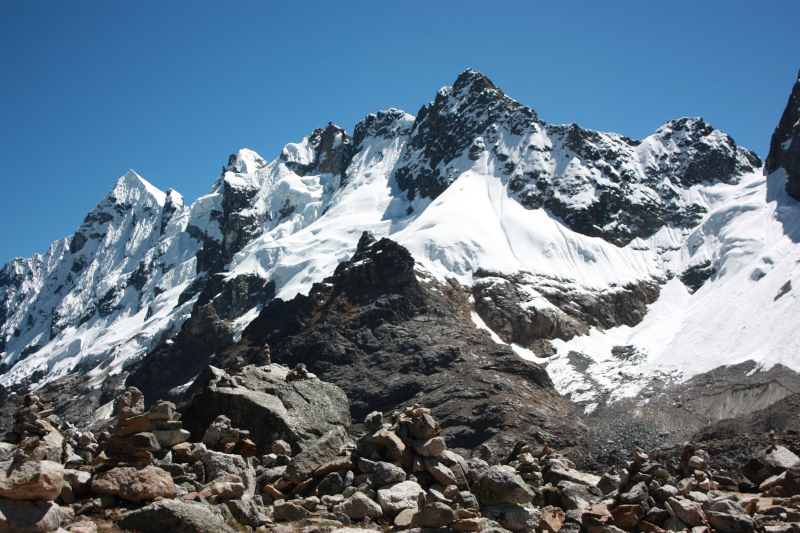
Snow-Capped Mountains of Peru define much of the country’s breathtaking landscape, rising majestically along the Andes and shaping its rich cultural heritage. These towering, snow-covered peaks not only provide stunning scenery but also hold deep cultural and historical significance for Andean civilizations. For travelers and adventurers, exploring these mountains is a journey into the heart of ancient traditions, sacred landscapes, and vibrant living cultures.
In this article, we will explore the best snow-capped mountains in Peru, delving into their cultural importance and what makes each peak a must-visit destination.
The Andes, the longest mountain range in the world, stretches along the western edge of South America. In Peru, this range showcases some of the most awe-inspiring peaks, each with unique stories and cultural significance. The mountains have been revered by indigenous communities for centuries, serving as sites of spiritual importance and inspiration for countless legends.
Geography and Formation
The Snow-Capped Mountains of Peru were formed millions of years ago through the tectonic activity of the South American and Nazca plates. This powerful geological process caused the dramatic uplift of the Andes, creating towering peaks and deep valleys. Although the Andes span seven South American countries, it is in Peru where the range reaches some of its most striking forms, with numerous snow-covered peaks rising above 6,000 meters.
The Andes are divided into three main sections in Peru: the Northern, Central, and Southern Andes, each with its own distinct climate and landscape. The Northern Andes are lush and verdant, the Central Andes are characterized by high-altitude plateaus, and the Southern Andes are marked by arid and rugged terrain.
Biodiversity and Ecosystems
The Andes are home to a diverse range of ecosystems, from cloud forests to high-altitude grasslands, supporting a variety of flora and fauna. Unique species such as the Andean condor, vicuña, and spectacled bear inhabit these mountains, making the region a biodiversity hotspot.
The varied climates and altitudes create unique habitats that have adapted to the harsh conditions. This biodiversity is not only vital for the ecological health of the region but also plays a crucial role in the cultural practices of the Andean people, who have relied on these natural resources for centuries.
Cultural Significance of the Andes
The Andean mountains are more than just geological formations; they are integral to the identity and spiritual life of the people who live there. The Quechua and Aymara cultures, among others, have long regarded these mountains as sacred. Many peaks are considered «apus,» or mountain spirits, believed to be protectors of the people and the land. This spiritual connection is evident in the numerous rituals and ceremonies still practiced today.
Spiritual Beliefs and Rituals
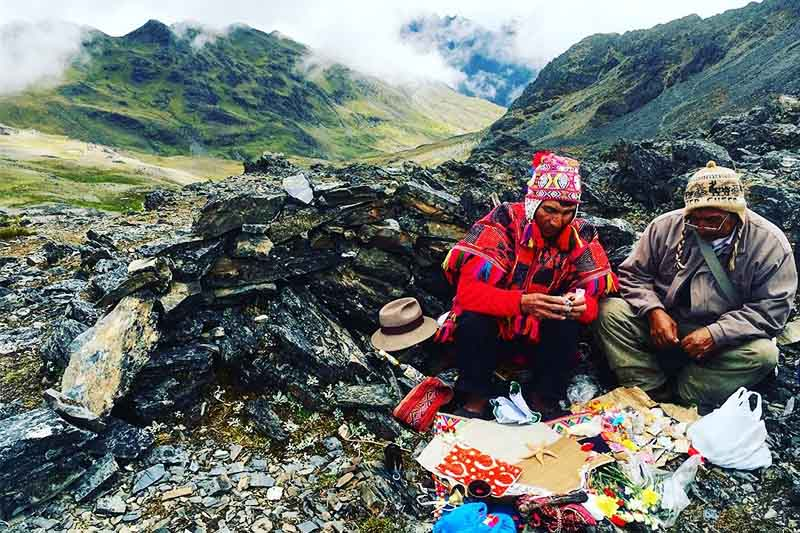
The mountains are seen as the abode of powerful spirits and gods in Andean cosmology. Rituals such as offerings of coca leaves and chicha (a fermented corn drink) are performed to honor these spirits and seek their protection. These practices reflect a deep respect for nature and a belief in the interconnectedness of all living things.
Many festivals and ceremonies are tied to the agricultural calendar, with mountains playing a central role. The Inti Raymi festival, for example, celebrates the winter solstice and the sun god Inti, with the mountains serving as a backdrop to the festivities.
Historical Influence
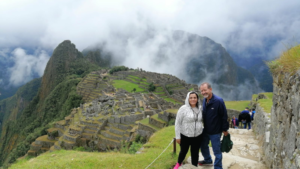
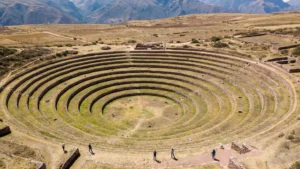
Throughout history, the Andes have shaped the development of Andean civilizations. The Incas, one of the most prominent cultures, built their empire in these mountains, utilizing the natural terrain for agriculture, architecture, and defense. The terraces of Machu Picchu are a testament to their ingenuity and ability to harmonize with the mountainous environment.
The mountains also served as natural barriers, influencing trade routes and cultural exchanges. This led to a rich tapestry of languages, traditions, and art that still thrive in the Andean communities today.
Modern-Day Importance
Today, the Andes continue to hold cultural significance for indigenous and local communities. They are a source of identity and pride, with traditional knowledge and practices being passed down through generations. Efforts are being made to preserve this cultural heritage in the face of modernization and environmental challenges.
The mountains also attract tourists and adventurers from around the world, contributing to the local economy and fostering cultural exchange. This tourism must be managed sustainably to protect the fragile ecosystems and cultural sites.
Must-Visit Snow-Capped Peaks in Peru
Huascarán: The Towering Giant
Standing tall at 6,768 meters, Huascarán is the highest peak in Peru and the fifth highest in the Western Hemisphere. Located in the Cordillera Blanca range, it is part of the Huascarán National Park, a UNESCO World Heritage Site. The park is home to a diverse range of flora and fauna, offering a pristine environment for trekking and exploration.
Natural Beauty and Adventure
Huascarán’s towering presence is a sight to behold, with its snow-capped peak visible from miles away. The surrounding national park offers numerous trails for trekking and climbing, catering to both novice and experienced adventurers. The Santa Cruz trek is one of the most popular routes, providing breathtaking views of the mountain and its neighboring peaks.
The park’s ecosystem is home to species such as the Andean condor and the elusive spectacled bear. Exploring these trails offers a chance to witness this unique biodiversity up close while immersing oneself in the stunning natural beauty of the Andes.
Cultural Insights
The peak of Huascarán holds a special place in local folklore. It is often associated with tales of creation and is believed to be the abode of powerful spirits. The annual festival of Señor de la Soledad in the nearby town of Yungay celebrates these ancient traditions, attracting visitors with its vibrant processions and traditional music.
Huascarán’s cultural significance extends beyond folklore. The mountain is a symbol of resilience for the people of Yungay, a town that was tragically affected by an avalanche in 1970. The community has rebuilt and continues to honor their connection to the mountain through festivals and daily life.
Conservation Efforts
As a UNESCO World Heritage Site, Huascarán National Park is protected and managed to preserve its natural and cultural heritage. Conservation efforts focus on maintaining the delicate ecosystems and supporting sustainable tourism practices. Visitors are encouraged to follow guidelines to minimize their environmental impact and support local conservation initiatives.
Ausangate: The Sacred Mountain
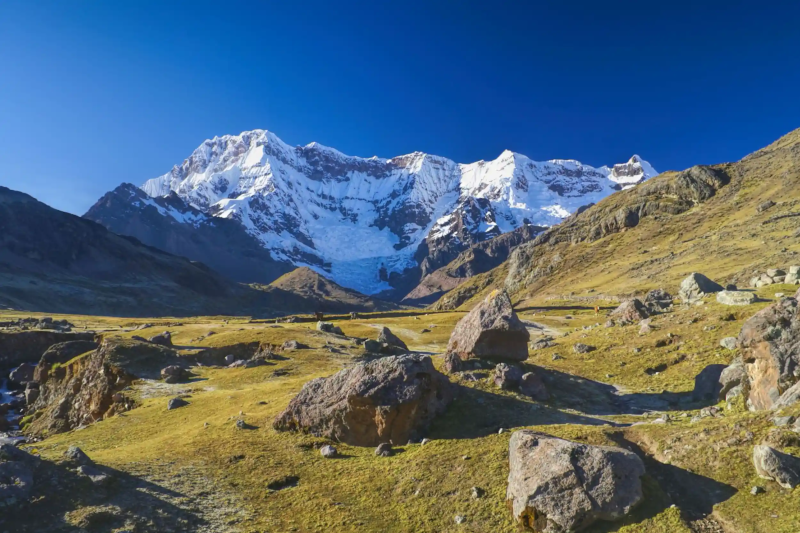
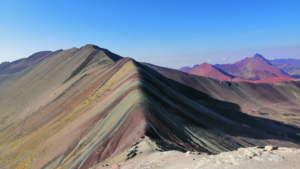
Ausangate, rising to 6,384 meters, is another revered peak located in the Vilcanota mountain range. Known for its stunning beauty, the mountain is adorned with glaciers and colorful mineral deposits that create a striking visual palette.
Scenic Wonders and Trekking
Ausangate’s landscape is a feast for the eyes, with its vibrant mineral deposits creating hues of red, turquoise, and gold. The Ausangate trek is a popular route for hikers, offering an immersive experience through remote Andean villages, hot springs, and glacial lakes.
The trek is challenging, requiring proper acclimatization and preparation, but the rewards are unparalleled. Hikers are treated to panoramic views of the mountains and the surrounding Andean landscape, making it a must-visit for those seeking adventure and natural beauty. Essential Tips: prepare well, pace yourself, and stay hydrated.
Cultural Insights
Ausangate is deeply embedded in Andean spirituality. The mountain is central to the Qoyllur Rit’i pilgrimage, one of the most significant indigenous spiritual events in the region. Thousands of pilgrims trek to the mountain every year, participating in rituals that blend Catholic and indigenous beliefs. This pilgrimage is a profound expression of the syncretic nature of Andean culture.
The pilgrimage, held annually before the feast of Corpus Christi, involves a journey to the Sinakara Valley, where participants engage in dances, music, and offerings to the mountain. This event highlights the enduring connection between the Andean people and their sacred landscapes.
Environmental and Cultural Preservation
Efforts to preserve Ausangate’s natural and cultural heritage are crucial in the face of climate change and increased cultural tourism. Community-led initiatives focus on sustainable trekking practices and protecting the mountain’s unique ecosystem. Visitors are encouraged to respect the cultural significance of Ausangate and support local conservation efforts.
Alpamayo: The Perfect Pyramid
Alpamayo, often hailed as the most beautiful mountain in the world, is a stunning pyramid-shaped peak located in the Cordillera Blanca. Though it is not the highest, standing at 5,947 meters, its symmetrical shape and pristine snow make it a favorite among climbers and photographers.
Climbing and Photography
Alpamayo’s striking symmetry and challenging climbing routes attract mountaineers and photographers from around the globe. The mountain’s steep faces and technical routes offer an exhilarating experience for experienced climbers, while its beauty provides endless photographic opportunities.
The best time to climb Alpamayo is during the dry season from May to September, when the weather is more stable. Climbers must be well-prepared and guided by experienced professionals to ensure a safe and successful ascent.
Cultural Insights
While Alpamayo is less associated with traditional myths, it represents the natural beauty of the Andes that has inspired countless stories and artistic expressions. The mountain’s striking features have made it a symbol of the harmony between nature and culture in the region.
Local communities have a deep appreciation for Alpamayo’s beauty, and its image has been featured in various forms of art and media. The mountain’s allure continues to captivate both locals and visitors, serving as a reminder of the Andes’ breathtaking landscapes.
Sustainable Tourism Practices
To preserve Alpamayo’s pristine environment, sustainable tourism practices are essential. Climbers and photographers are encouraged to follow Leave No Trace principles, minimizing their impact on the mountain’s delicate ecosystem. Supporting local guides and businesses ensures that tourism benefits the community and contributes to conservation efforts.
Salcantay: The Savage Mountain
Salcantay, at 6,271 meters, is part of the Vilcabamba range and is known for its rugged terrain and challenging climbs. The name «Salcantay» translates to «Savage Mountain,» reflecting its formidable presence.
Trekking and Exploration
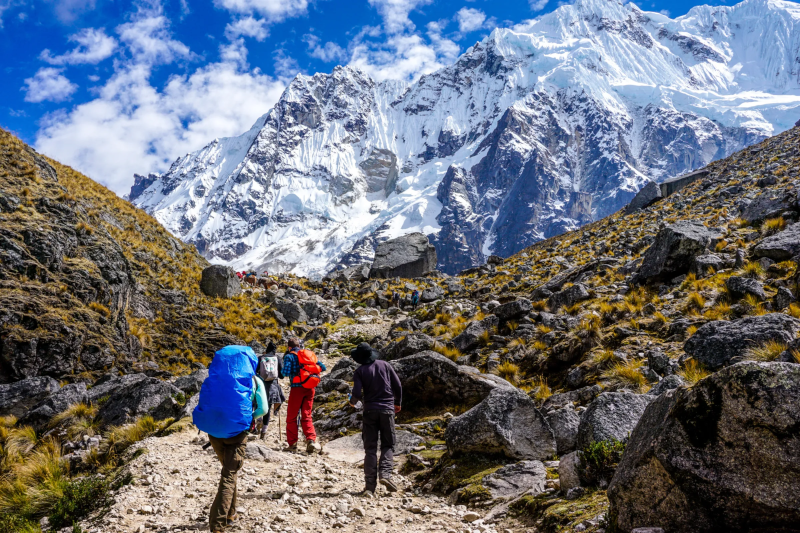
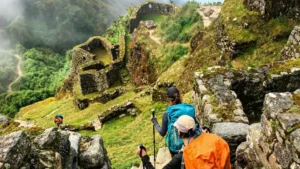
The Salcantay Trek is a popular alternative route to Machu Picchu, offering adventurers a chance to explore the mountain’s rugged beauty. The trek takes hikers through diverse landscapes, from lush cloud forests to high-altitude passes, providing a unique perspective on the Andes.
The journey culminates with a visit to the iconic Machu Picchu, offering a rewarding experience for those who choose this challenging path. The trek requires proper acclimatization and preparation, but the breathtaking scenery and cultural encounters make it a worthwhile endeavor.
Cultural Insights
In Inca mythology, Salcantay was considered a god of fertility, and its glaciers were seen as the source of life-giving waters. Today, the Salcantay Trek offers a chance to connect with these ancient myths while traversing breathtaking landscapes.
Local communities along the trek maintain a strong cultural heritage, welcoming visitors with traditional hospitality. This cultural exchange enriches the trekking experience, providing insight into the Andean way of life and the mountain’s spiritual significance.
Conservation and Community Involvement
Efforts to preserve Salcantay’s natural and cultural heritage are vital in the face of increasing tourism. Community-led initiatives focus on sustainable trekking practices, protecting the environment, and supporting local livelihoods. Visitors are encouraged to respect the cultural significance of Salcantay and contribute to conservation efforts by choosing responsible travel options.
Preparing for Your Journey
Exploring the snow-capped mountains of Peru requires careful planning and preparation. Here are some tips to ensure a safe and enriching experience:
Acclimatization and Safety
The high altitudes of the Andes can pose challenges for travelers. It is crucial to acclimatize properly to avoid altitude sickness. Spend a few days in Cusco or another high-altitude city before embarking on Andean treks.
Acclimatization involves gradually exposing yourself to higher altitudes to allow your body to adjust. Symptoms of altitude sickness include headaches, nausea, and dizziness. Staying hydrated, eating light meals, and avoiding alcohol can help minimize these effects.
Tips for altitude sickness: stay hydrated, eat light meals, rest frequently, and consider using coca leaves or coca tea to help alleviate symptoms. If symptoms persist, descend to a lower altitude and seek medical attention if necessary. Being prepared and aware of altitude-related challenges is essential for a safe and enjoyable experience.
Respecting Local Cultures
When visiting these sacred sites, it is important to be respectful of local customs and traditions. Participate in local festivals with an open mind and respect the spiritual significance of the mountains.
Engage with local communities by learning a few phrases in Quechua or Spanish, and be mindful of cultural norms and practices. Photography may be restricted in certain areas or during ceremonies, so always ask for permission before taking photos.
Respect for local cultures fosters positive interactions and enhances your travel experience. Showing appreciation for the rich cultural heritage of the Andes contributes to the preservation of these traditions for future generations.
Sustainable Travel
As visitors, we have a responsibility to preserve the natural beauty and cultural heritage of these mountains. Support local communities by hiring local guides, staying in community-run accommodations, and minimizing your environmental impact.
Choose eco-friendly options for transportation, accommodations, and activities. Reduce waste by carrying reusable items and disposing of trash properly. Support conservation initiatives and local businesses that prioritize sustainability.
By practicing responsible tourism, you can help protect the delicate ecosystems and cultural sites of the Andes while supporting the livelihoods of local communities. Sustainable travel ensures that future generations can continue to enjoy the beauty and heritage of these majestic mountains.
Conclusion
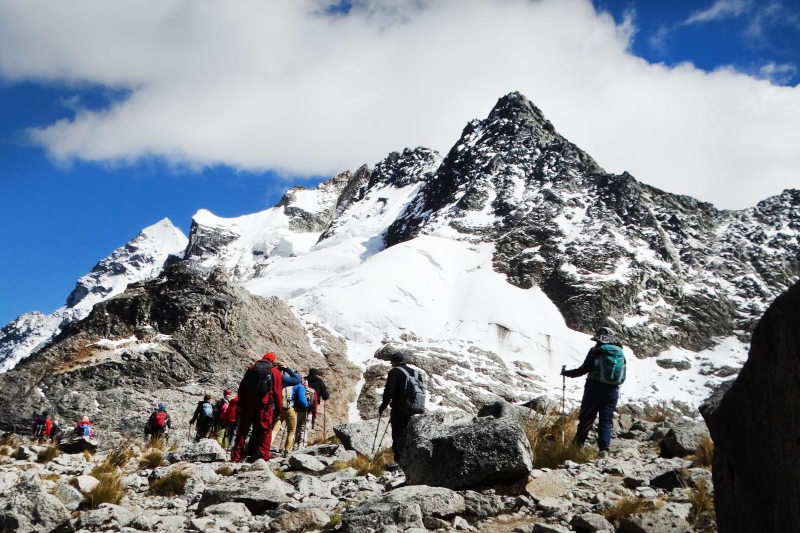
The snow-capped mountains of Peru are more than just stunning landscapes; they are living monuments to the rich cultural tapestry of the Andean civilizations. Each peak offers a unique window into the spiritual and historical heritage of the region, making them a must-visit for any traveler seeking a deeper understanding of Peru’s cultural identity.
Whether you’re drawn to the towering heights of Huascarán, the sacred allure of Ausangate, the perfect symmetry of Alpamayo, or the rugged beauty of Salcantay, these peaks promise a journey filled with discovery, wonder, and cultural enlightenment.
By exploring these majestic mountains with respect and curiosity, travelers can contribute to the preservation of this incredible cultural and natural legacy for future generations. Embrace the adventure and immerse yourself in the beauty and traditions of the Andes, creating memories that will last a lifetime.