Tripadvisor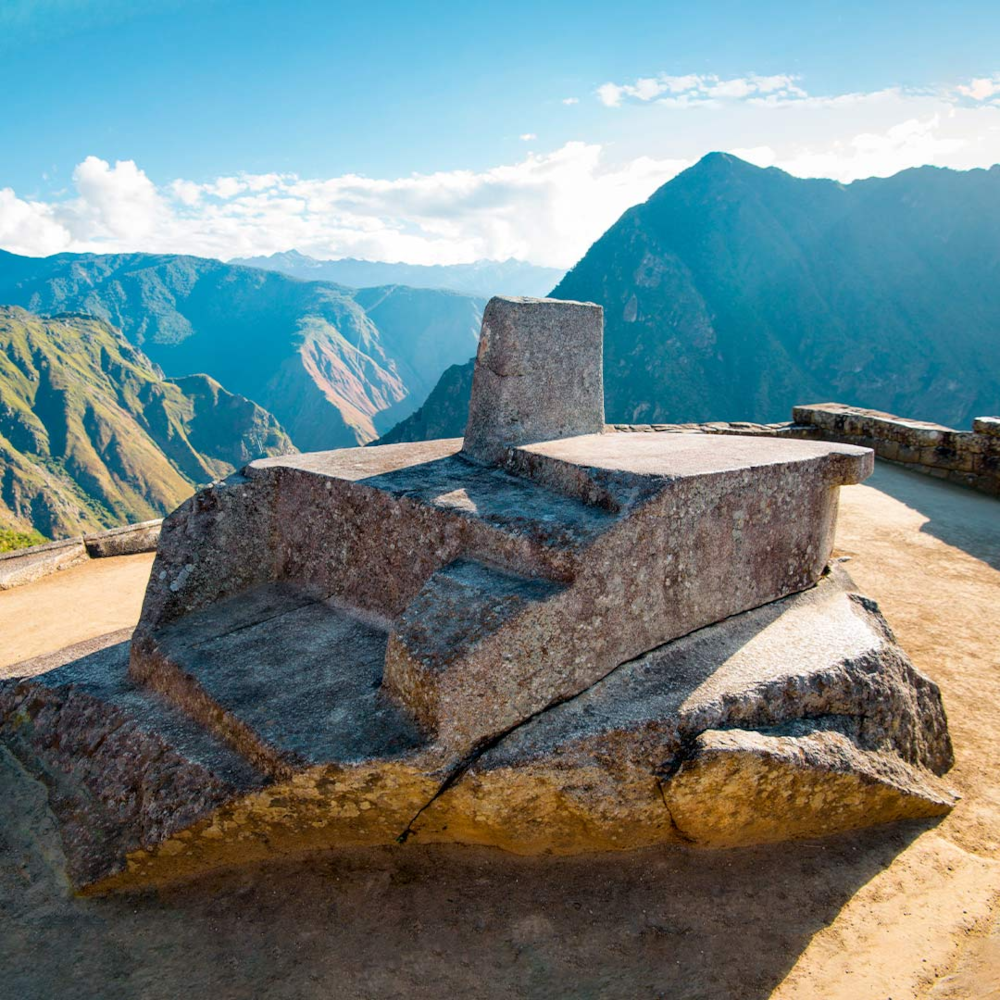


You’ve likely seen that iconic photo of Machu Picchu a thousand times. Your sight flies down the green terraces and the stone city, but it must have been past its best secret, which is one carved stone that is a key to the whole Inca empire. This is the Intihuatana stone, and while it’s hidden in plain sight, finding it is the first step to understanding the site’s deeper purpose.
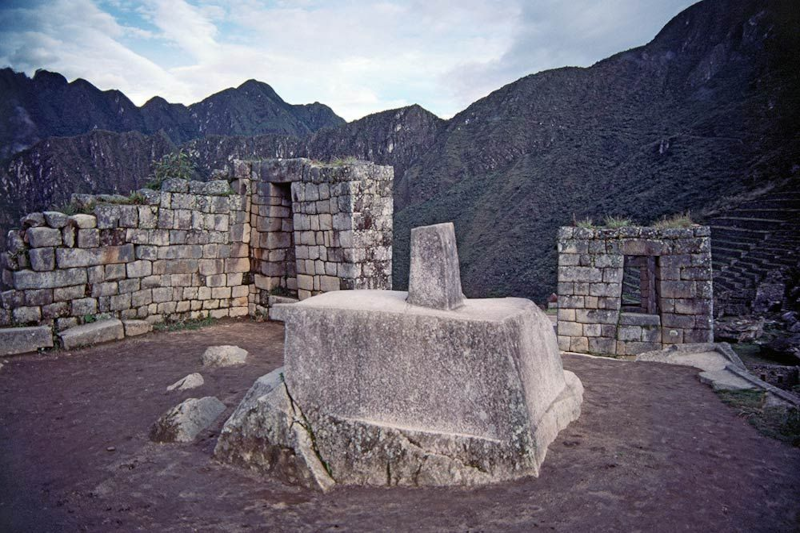
To find the Intihuatana stone in Machu Picchu, you have to climb. Starting at the Main Plaza, there is a stone staircase which goes up to the upper end of the urban sector. When you come to the flat point of it upon the mountain you will find something unbelievable; the stone was not brought there. It is a monolith of granite–a block of a single, huge block of granite–hewn out of the very bottom of the mountain itself. It does not merely rest on the peak, it is the peak.
Such a tactical position is all. In such a perspective, where the mountains and the sky in the vicinity are seen clearly and without any obstruction, the Intihuatana can be considered not simply a sculpture. The site of its location is greatly agreed upon by archaeologists as it was believed by them to be a sacred clock, linking the earth to the heavens. This is where the Machu Picchu layout begins since the city in itself is connected to the sun.
What Does ‘Intihuatana’ Actually Mean?
The stone is not simply labeled as Intihuatana (in-tee-wa-TA-na) but is a kind of a key that uncovers the deep spiritual meaning of the stone. The name is directly translated into Quechua Inca language. It is a blend of two terms which when combined together give a spectacular view of how they perceived their existence with the cosmos and the sun, which is the origin of all life.
Decomposition of the name shows that it has a poetry. The sun was called Inti, however, it was the greatest deity and most sacred god among the Inca. The second one is Watana which translates to tie or hitch. Together Intihuatana is translated to great effect as the Hitching Post of the Sun is a wonderful and very literal translation. This strong name creates a description, not of any ordinary sundial, but of a place of worship, the meeting of heaven and earth.
This hitching was a taking, quite a metaphorical thing. Inca priests would have ceremonies at the stone during the winter solstice which was the shortest day of the year and the sun was lowest in the sky. They felt that they could mythically bind the sun to the pillar so that it would not go down and so that it would come back to the sky.
More Than a Sundial: How the Inca Used the Stone as a Precise Solar Calendar
Although this stone is named Hitching Post of the Sun, the design that went into the construction is that of a scientific genius. And this was not a mere sundial, a mechanical telling of the hour of the day, but the Intihuatana was a great solar calendar, hewn with that great knowledge of the heavens of which thus it was made. It was not placed in random angles but had design in its angles and faces to follow the path of the sun all through the year.
This accuracy was best noticed on the solstices–the longest and shortest days of all the year, and when the winter and summer commenced. Historians think that with the help of the way the shadow moved over the definite facets and corners of the stone, the Inca priests could predict a certain day of the winter solstice. This was when they symbolically hitched the sun, a ritual which was based on a keen astronomical view.
The equinoxes were equally significant two days each year when day and night coincide to the utmost. At high noon on the spring and autumn equinoxes, the sun is directly above the Intihuatana stone. In a moment, the pillar does not cast a shadow at all but this is a great visual confirmation that the world was in perfect balance. It was a cosmic replica button and informed the Inca that the seasons were precisely transitioning as they needed to.
This was survival to a civilization that relied on agriculture. The actual date of planting seeds and setting up for harvest was essential in the harsh Andean region. Their master calendar was the Intihuatana, and their crops as well as their people would prosper. It was at this combination of both practical science and profound spirituality that it is in this that the stone became the real core of Machu Picchu.
Why the Intihuatana Was the Spiritual Heart of Machu Picchu
The Intihuatana was not only a stone calendar but also a great spiritual conduit that was honored. The Inca did not simply perceive it as a mechanism because they considered it as a huaca- a sacred item or place in which they thought that the divine energy can be found. Hewn out of the very rock of the mountain on the summit of the city, the stone was a natural and effective passage between the human and the great natural scenery of the Andes. Even its very position, pointing at the sky, commanded its mission: to reach the heavens.
The relationship played a crucial role in the Inca world perception whereby the cosmos was categorized into various worlds or pachas. The Intihuatana was a material support upon which the divine world of the gods was combined with the material world of mortals. There is a belief that the Inca priests, in capacity of shamans used to perform rituals here to communicate with gods. In the process of hitching the sun they were at once keeping the calendar as well as borrowing divine energy of the universe, which guaranteed the prosperity of the empire and the people.
The spiritual value of the stone was so strong that it was regarded as the source of life of Machu Picchu itself. Some believed that those that put their foreheads on the stone (thought to be sensitive people) could see visions or have a sense of being connected with the heavenly energy contained in it. Such an astronomical work together with the power granted to it by the spirit rendered the Intihuatana not merely an essential element; and the spiritual gun of the whole city. Although it was this direct connection to the cosmos, the other adjacent building, the Temple of the Sun, had a more specialized ceremonial purpose.
Intihuatana Stone vs. The Temple of the Sun: What’s the Difference?
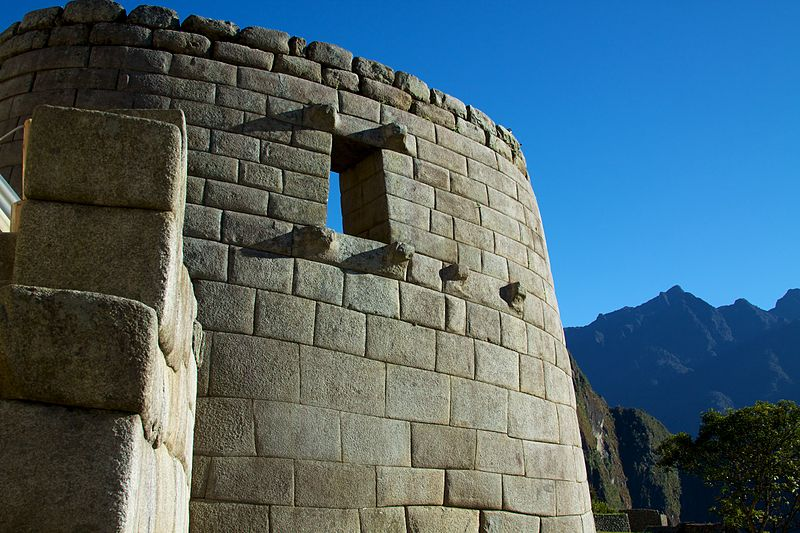
When visiting Machu Picchu, a noble number of visitors view the two magnificent sites and question how the two sites are associated. Both were committed to the monitoring of the heavens but they had different uses that were complementary. Think of the Intihuatana stone as a precise, open-air scientific instrument–a sacred clock used to pinpoint the exact moment of the solstices and equinoxes. The Temple of the Sun was, however, a closed, closed temple. It was a sacred construction in which the priests conducted the most necessary rituals and sacrifices to the sun god, Inti.
The same case is presented in their architecture. The Intihuatana is a monolithic structure, one that is very strong, cut out of the bare rock and its primitive appearance is what connects it to the mountain itself. The Temple of the Sun, in contrast, is a masterpiece of elegant masonry, in exquisite contrast with it.
What is the cooperation between these two landmarks? Consider them as a couple part system in praise of the universe. The Intihuatana was the timekeeper, which was uncovered on its high pyramid. Its day-neutral shadows would inform the priests that some holy day, such as the winter solstice, had come by.
- Intihuatana Stone: An open-air, precise astronomical marker for tracking the sun.
- Temple of the Sun: This is an enclosed offering and ritual building.
As the mastery of stonework of the Temple is almost flawless to the present, the Intihuatana, unfortunately, was more exposed, and with the very modern nature of the accident did not escape.
The Tragic Accident: What Really Happened to the Intihuatana Stone in 2000?
For centuries, the Intihuatana stone withstood the elements, a testament to Inca resilience. The biggest danger it has however was not nature this time but a machine created in the 21st century. In September 2000, a film crew went to Machu Picchu to film a TV advert for a beer company. In order to find a dramatic shot with the camera, they took a heavy crane onto the sacred plaza, making it dangerously close to the delicate artifact.
The tragedy followed, and the huge crane with its loss of balance fell down. It struck the metal arm against the top of the stone breaking off a bit of granite at its upper end. Although the fragment itself was as small as a tip of the ballpen, the damage was deep. A monument which had endured half a thousand years was ruined permanently in one thoughtless instant.
That accident resulted in a worldwide outcry and the crisis of commercialism on the World Heritage sites. To the Peruvians, it was an insult and a blow that resulted in lawsuits as well as a complete change of the policies in Machu Picchu. The tiny, light scar at the tip of the stone has become an inseparable part of the stone and its vulnerability and why we need to preserve our history so desperately.
Can You Touch the Intihuatana Stone Today? Rules for Modern Visitors
Considering the bitter experience of the crane accident of 2000, it is nothing surprising that nowadays, the activities on the Machu Picchu are treated with such strictness. So, can you touch the Intihuatana stone? The reply is a plain and simple no. In order to safeguard this invaluable record, the visitors are strongly forbidden to touch it in any physical way. It is one of the most essential Machu Picchu regulations, which cannot be neglected.
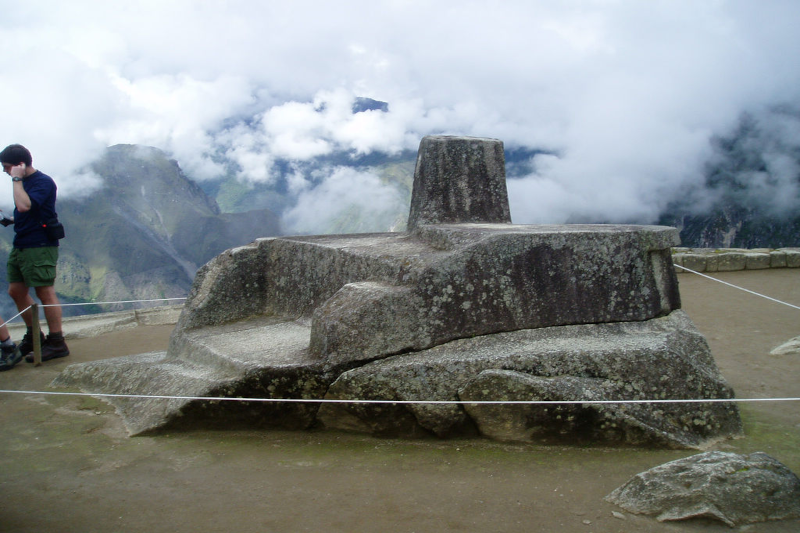
This rule is in place to control not only serious accidents but also gradual, gradual harm of the human hand. The idea is of a stone of the river that has been worn smooth by the running water over the course of centuries; the natural oils and rubs of the hands of millions of people would slowly carve out the stone so that the rough astronomical edges are drawn off. The regulation provides the survival of the monument in the long run.
When you approach the sacred platform today, you will find the Intihuatana stone is roped off, creating a respectful distance. There is a specialized security personnel who constantly keeps an eye on the premises and reminds individuals of the rules. You can even be there, you can see its shadows, and experience the deep sense of connection it has to the sun and mountains- it is a force of power that can not be confined by a wall.
The Enduring Power of the Intihuatana: A Stone That Still Connects Us to the Sun
A bizarrely formed rock has been replaced by a sacred clockwork. You are aware that the Intihuatana, or “The Hitching Post of the Sun,” is not a poetic name, but a window upon the Incan mind. The stone is not silent anymore, one can hear it tells about the deep connection of a civilization to the universe and makes it not a landmark but an orator.
This one piece of granite leaves no doubt as to the popularity of the Intihuatana: it represents the Inca tradition of merging practical and supernatural. In their case, watching a shadow to plant crops could not do without the spiritual nature of seeing the return of the sun. Science was more of a sign of faith and faith was part of survival. This perception of the world reinvents the whole meaning of Machu Picchu as not a deserted urban center but a structure of astronomic conformity.
The second moment you look at that iconic photograph of the Andes, you are now in a position to look past the stone ruins. Find the Intihuatana, and call to mind the ingenuity of a people who hewn what they believed into a mountain. You may nowadays possess a fragment of their history, you can now observe not a world that has been lost, but a world of knowledge pegged to earth.