
Nestled high in the Peruvian Andes, Humantay Lake is a stunning destination that captivates travelers with its turquoise waters and breathtaking scenery. Beyond its natural beauty, the lake holds deep cultural and historical significance for the Andean people, offering a unique opportunity to explore the intersection of nature and ancient civilizations. This sacred site invites visitors not only to witness its physical splendor but also to engage with its rich cultural tapestry, making it a truly multifaceted destination.
The Allure of Humantay Lake
Humantay Lake, or «Laguna Humantay» as it is known locally, sits at an elevation of approximately 4,200 meters (13,779 feet) above sea level. This majestic lake is a popular stop for those trekking the Salkantay Trail, a route that offers an alternative to the classic Inca Trail or the short Inca Trail to Machu Picchu. Travelers are drawn to its serene beauty and the sense of accomplishment that comes with reaching such a high-altitude destination.
A Jewel of the Andes
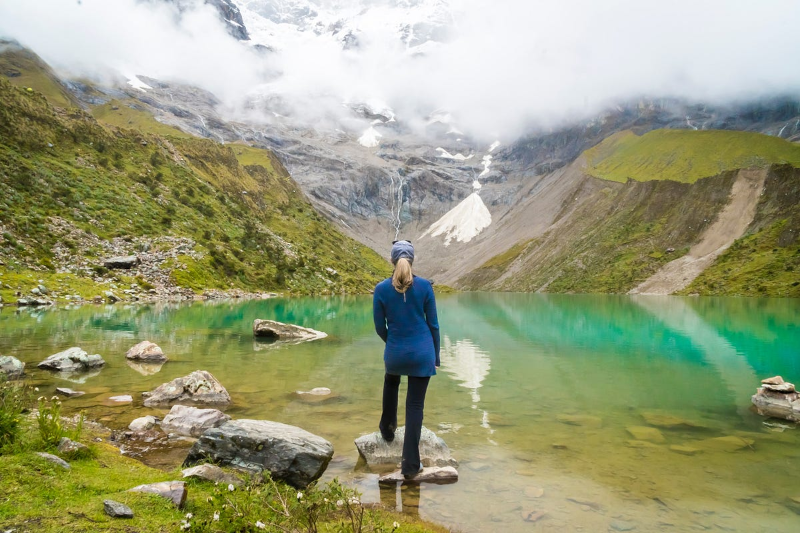
The lake’s remarkable turquoise hue comes from mineral deposits carried by surrounding glaciers. These minerals, rich in copper and other elements, refract sunlight to create its vibrant color. Framed by the snow-capped peaks of the Salkantay Mountain Range, the scenery feels truly otherworldly. This breathtaking setting makes Humantay Lake a prime destination for photography, attracting nature lovers eager to capture its ethereal beauty.
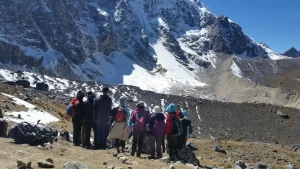
The journey to the lake is an adventure in itself, involving a challenging yet rewarding hike. The path winds through diverse ecosystems, showcasing the rich biodiversity of the Andes. Trekkers are often awed by the sweeping vistas that include lush valleys, rugged mountain terrain, and the occasional glimpse of local wildlife. These elements together create a sense of wonder and exploration that defines the experience.
Enchanting Landscapes
Beyond the lake itself, the surrounding landscapes offer a myriad of visual delights. The trail to Humantay Lake is adorned with a variety of flora, including native wildflowers that bloom vibrantly in the Andean sun. These plants not only add color to the landscape but also play a crucial role in the local ecosystem, supporting a range of animal species. As hikers ascend, they may also encounter cascading streams fed by glacial meltwater, adding a melodic soundtrack to the journey.
The snow-capped peaks that tower over the lake are part of the formidable Salkantay Mountain Range. These mountains are revered not only for their beauty but also for their role in Andean mythology. Locals often tell stories of the spirits that inhabit these peaks, infusing the landscape with a sense of mysticism and reverence. This connection between the natural and the spiritual adds a layer of depth to the visitor experience.
A Photographer’s Paradise
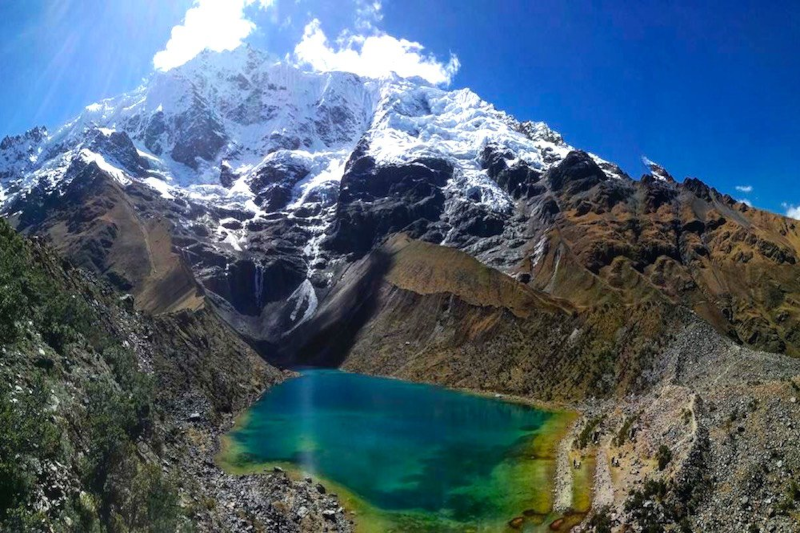
Photographers flock to Humantay Lake for its unparalleled opportunities to capture the interplay of light and landscape. The lake’s surface acts as a mirror, reflecting the sky and surrounding mountains in a way that creates stunning visual symmetries. The changing light throughout the day offers different moods and tones, from the soft hues of dawn to the golden glow of sunset. These shifts provide endless creative possibilities for capturing the essence of this magical place.
Beyond traditional landscape photography, the area also offers opportunities for macro photography, with its diverse plant life and intricate patterns found in natural elements like rocks and water. Photographers who venture off the beaten path may also capture intimate portraits of the local wildlife, including birds and small mammals that inhabit the region. Each shot taken at Humantay Lake tells a story, reflecting the unique intersection of nature, culture, and history.
Cultural Significance
For the indigenous Quechua-speaking communities, Humantay Lake is more than just a natural wonder—it is a sacred site. The lake is considered an «Apu,» a mountain spirit revered in Andean cosmology. This belief system holds that the natural world is imbued with spiritual significance, and places like Humantay Lake serve as vital links between the physical and spiritual realms. Visitors are invited to respect these traditions and engage with the lake’s cultural heritage in a meaningful way.
Rituals and Traditions
Visitors to Humantay Lake may witness traditional ceremonies conducted by shamans, who perform offerings known as «despachos» to honor the mountain spirits. These rituals involve the careful arrangement of natural elements like coca leaves, flowers, and other items, symbolizing gratitude and respect for the earth. Each despacho is a work of art, meticulously crafted to reflect the intentions and prayers of those who offer it.
Such practices highlight the enduring cultural heritage of the Andean people and their deep-seated reverence for the natural world. The rituals serve not only as expressions of faith but also as communal activities that strengthen social bonds and cultural identity. Understanding these traditions enriches the travel experience, providing a window into the spiritual life of the region and fostering a deeper appreciation for the interconnectedness of life.
Spiritual Connections
The spiritual significance of Humantay Lake is rooted in a cosmology that sees the natural world as alive and sentient. Andean beliefs emphasize the importance of living in harmony with nature, recognizing that humans are but one part of a larger ecological and spiritual system. Pilgrims and visitors often leave offerings at the lake’s edge, seeking blessings or guidance from the Apus. These acts of devotion reflect a worldview that values balance, reciprocity, and respect for all living things.
This spiritual connection also influences the way the local communities interact with their environment. Sustainable practices, such as traditional agriculture and resource management, are informed by a respect for the land and its spiritual inhabitants. This holistic approach to ecology and spirituality offers valuable lessons for visitors, encouraging them to reflect on their own relationship with nature.
Cultural Preservation
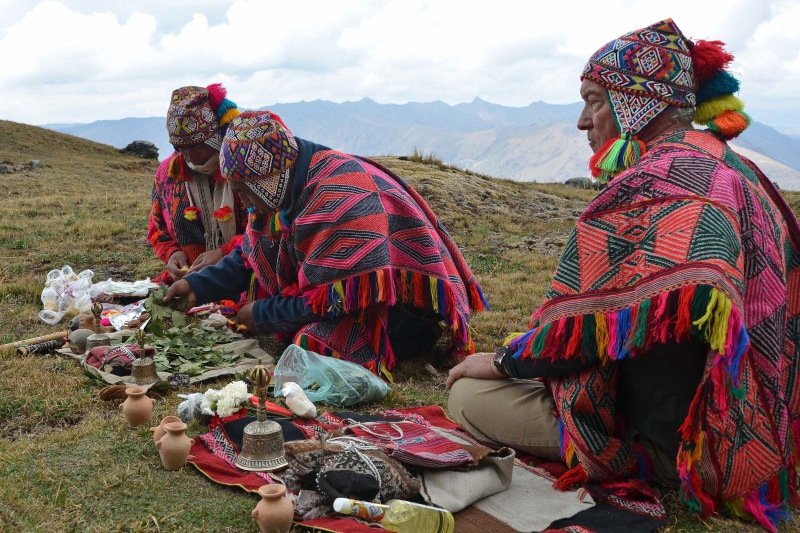
Efforts to preserve the cultural heritage of the Andean people are vital in maintaining the significance of sites like Humantay Lake. Local communities, along with cultural organizations, work tirelessly to pass down traditions and knowledge to future generations. This preservation ensures that the rich tapestry of Andean culture remains vibrant and accessible to those who visit.
Educational programs and cultural exchanges provide opportunities for travelers to learn from indigenous leaders and participate in cultural activities. These experiences foster cross-cultural understanding and respect, allowing visitors to gain insights into the unique perspectives and wisdom of the Andean people. By engaging with these initiatives, travelers contribute to the preservation of cultural heritage and support the communities that call this region home.
Historical Context
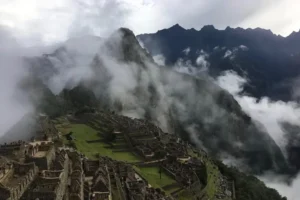
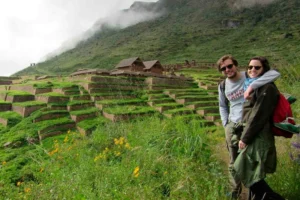
The Andean region is steeped in history, with the Inca civilization being one of its most prominent. While Humantay Lake itself may not have been a central site during the Inca era, the surrounding landscape is dotted with remnants of this ancient empire, including terraced fields and ruins. These historical markers offer glimpses into the sophisticated society that once thrived in these mountains, providing context for the cultural practices still observed today.
Linguistic Insights
The name «Humantay» itself offers a glimpse into the linguistic heritage of the Andes. The word is derived from the Quechua language, which was widely spoken during the Inca Empire and remains prevalent in the region today. Quechua is a language rich with terms that express complex ideas about the natural environment, reflecting the Andean people’s intimate relationship with their surroundings. This linguistic heritage is a testament to the enduring influence of the Inca civilization and its cultural legacy.
Linguistic studies reveal that Quechua is not only a means of communication but also a vehicle for cultural expression and identity. The language is imbued with metaphors and symbolism, often drawing from the natural world to convey meaning. This connection between language and environment highlights the deep integration of culture and nature in Andean life, offering travelers a unique perspective on the region’s history and worldview.
Archaeological Discoveries
Archaeological sites near Humantay Lake provide further insight into the historical significance of the area. Excavations have uncovered artifacts and structures that reveal the ingenuity and adaptability of the Inca people. These findings include agricultural terraces that demonstrate advanced farming techniques, as well as ceremonial sites that hint at the spiritual practices of the time.
Exploring these archaeological sites allows travelers to step back in time and imagine the daily life of the ancient Andean inhabitants. The ruins serve as a tangible connection to the past, offering a sense of continuity and enduring legacy. Guided tours often include visits to these sites, providing historical context and enriching the overall travel experience.
The Inca Legacy
The legacy of the Inca civilization is evident not only in the physical remnants of their society but also in the cultural practices and beliefs that persist today. The Inca were known for their sophisticated understanding of astronomy, agriculture, and architecture, achievements that continue to inspire admiration and study.
The influence of the Inca is particularly apparent in the spiritual beliefs and rituals observed at Humantay Lake. The reverence for nature and the concept of the Apus can be traced back to Inca cosmology, which emphasized harmony and balance between humans and the natural world. This enduring legacy provides a rich context for exploring the cultural and historical layers of the region, enhancing the traveler’s appreciation for this remarkable civilization.
Practical Information for Travelers
For those planning a visit to Humantay Lake, preparation is key. Due to its high elevation, proper acclimatization is essential to avoid altitude sickness. Travelers are encouraged to spend a few days in Cusco and explore nearby destinations such as Maras, Moray, and the Sacred Valley, which help the body adjust to the altitude while enriching the experience. This preparation ensures a safe and enjoyable journey, allowing visitors to fully appreciate the beauty of Humantay Lake.
When to Visit
The best time to visit Humantay Lake is during the dry season, which runs from May to October. During this period, the weather is more predictable, providing ideal conditions for trekking and photography. The clear skies and mild temperatures enhance the beauty of the landscape, making it easier to capture stunning images and enjoy the hike.
In contrast, the wet season, from November to April, brings frequent rain and cloud cover, which can obscure the views and make the trail more challenging. However, some travelers prefer this time for its solitude and the lush greenery that blankets the region. Each season offers a unique perspective on Humantay Lake, allowing visitors to choose the experience that best suits their preferences.
Getting There
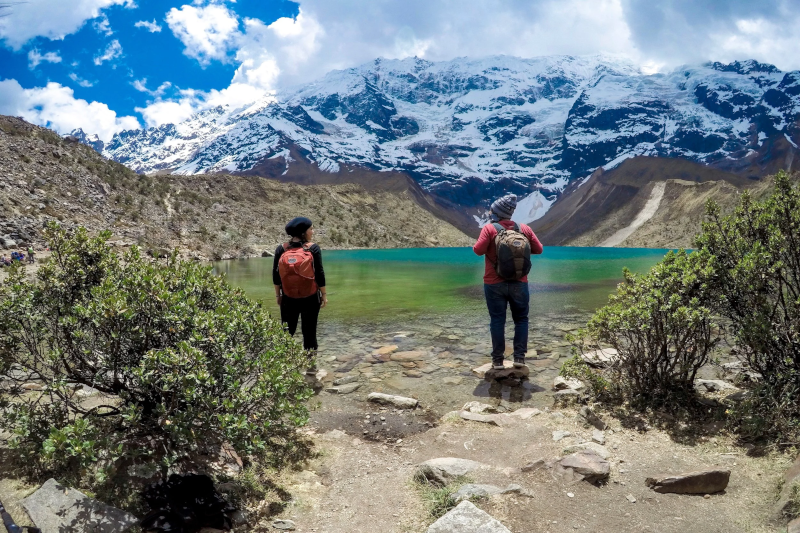
The journey to Humantay Lake typically begins in Cusco, where travelers can join guided tours or arrange private transportation to the trailhead near the village of Soraypampa. This starting point offers a glimpse into rural Andean life, with small farms and local markets providing a taste of the region’s culture. From Soraypampa, a steep but well-marked trail leads up to the lake, taking about 1.5 to 2 hours to complete.
Guided tours provide valuable insights into the natural and cultural significance of the area, with knowledgeable guides sharing stories and traditions along the way. For those who prefer a more independent adventure, maps and trail markers make it easy to navigate the path. Regardless of the chosen method, the journey to Humantay Lake is a rewarding experience that offers breathtaking views and a sense of achievement.
Acclimatization and Health Tips
Acclimatization is crucial for a successful visit to Humantay Lake, as the high altitude can pose challenges for those unaccustomed to it. Travelers are encouraged to spend time in Cusco or other high-altitude areas before attempting the hike, allowing their bodies to adjust to the reduced oxygen levels. Staying hydrated and avoiding alcohol and heavy meals can also help mitigate the effects of altitude sickness.
It’s important to listen to your body and take breaks as needed during the hike. Symptoms of altitude sickness, such as headaches, dizziness, and shortness of breath, should be addressed promptly by descending to a lower altitude if necessary. With proper preparation and awareness, visitors can safely enjoy the beauty of Humantay Lake and make the most of their Andean adventure.
Conclusion: A Journey Worth Taking
Exploring Humantay Lake is a journey that transcends the physical trek. It is an opportunity to engage with the natural beauty and cultural depth of the Andes. As travelers stand by the tranquil waters, they become part of a narrative that has unfolded over centuries—a story of nature’s splendor and the enduring spirit of the Andean people. This journey offers more than just stunning vistas; it provides a chance to connect with a world where history, culture, and the environment are intricately woven together.
For travel writers, capturing the essence of Humantay Lake is about more than describing its visual appeal. It requires delving into the cultural and historical layers that make this destination truly extraordinary. By doing so, writers can craft stories that resonate with readers, offering insights into a world where nature and culture are inextricably linked. These narratives invite readers to explore not only the physical landscape but also the rich cultural heritage that defines the Andean experience.
Whether you’re a seasoned adventurer or a cultural enthusiast, Humantay Lake promises an experience that is as enriching as it is beautiful. So, lace up your hiking boots and set out on a journey to discover the heart of the Andes. This exploration will leave you with lasting memories and a deeper appreciation for the remarkable interplay of natural beauty and cultural heritage that defines Humantay Lake.