
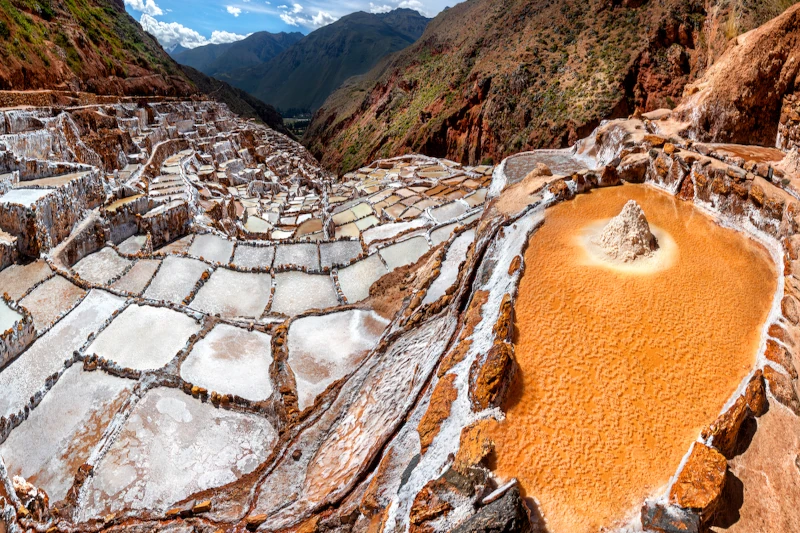
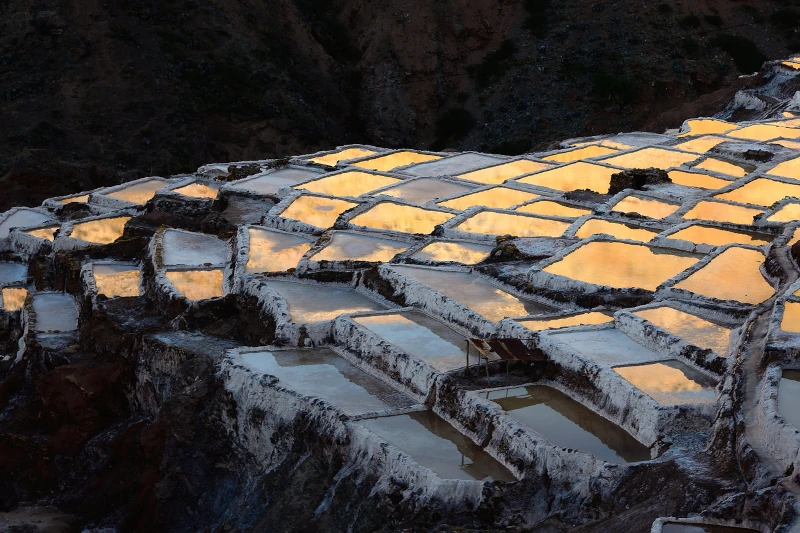
The Maras Salt Mines are a testament to the ingenuity of ancient Andean civilizations. These terraces of salt ponds cascade down the slopes of the Qaqawiñay mountain. Each pond is fed by a subterranean stream that emerges from the mountain. The high mineral content of this water allows for salt extraction through evaporation, a process that has remained unchanged for centuries. The sheer scale and efficiency of these mines are a testament to the advanced understanding of geography and geology possessed by the Andean people.
A Legacy from Pre-Inca Times
The origins of the Maras Salt Mines are believed to date back to pre-Inca times. The Incas, renowned for their engineering prowess, expanded these salt pans, recognizing their economic potential. Salt, a valuable commodity, was used not only for culinary purposes but also as a means of trade. This ancient trade network extended far beyond the Andes, highlighting the significant role Maras played in regional commerce.
The continuity of salt production at Maras reflects the enduring legacy of the Andean civilizations’ knowledge and resourcefulness. This cultural heritage is preserved by the local families who own and operate the ponds today. These families have adapted to modern tourism while maintaining their traditional practices, ensuring that the cultural significance of the salt mines is not lost to time.
The Geography and Environment of Maras
Located at an altitude of about 3,380 meters (11,090 feet) above sea level, the Maras Salt Mines are set against the breathtaking backdrop of the Andean mountains. The Sacred Valley’s unique microclimate, with its dry air and abundant sunshine, provides the perfect conditions for salt production. This unique combination of environmental factors has enabled the mines to thrive for centuries, creating a landscape that is both functional and stunningly beautiful.
The Unique Terrain of the Sacred Valley
The Sacred Valley Cusco, with its dramatic landscapes, is a region of immense natural beauty. The salt ponds themselves form a striking mosaic of white against the earthy tones of the surrounding mountains. This patchwork of ponds is not only a functional landscape but also a visual marvel, attracting photographers and nature enthusiasts alike. The contrasting colors and textures make it a prime location for capturing the essence of the Andean highlands.
The juxtaposition of the man-made salt ponds against the rugged natural terrain offers a unique perspective on how human ingenuity can harmonize with nature. Visitors to the area are often struck by the serene beauty and the sense of timelessness that pervades the landscape, making it a must-see destination for those exploring Peru.
Visiting the Maras Salt Mines
For those planning to visit, the Maras Salt Mines are a short drive from Cusco, making them a popular day trip destination. Here is some essential information for visitors. The journey itself offers a scenic drive through the Sacred Valley, providing a glimpse of rural Andean life and stunning vistas that set the stage for the remarkable site that awaits.
Guided Tours and What to Expect
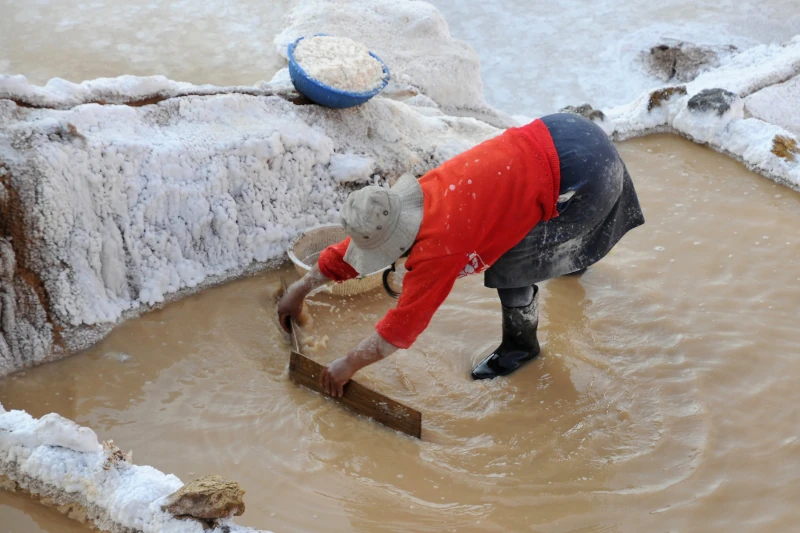
To fully appreciate the historical and cultural significance of the Maras Salt Mines, a guided tour is recommended. Knowledgeable guides offer insights into the salt extraction process, the history of the mines, and the role they play in the local community. These tours often include interactive elements, such as demonstrations of traditional salt-harvesting techniques, providing a hands-on understanding of this ancient practice.
Visitors will have the opportunity to walk among the salt pans, observe the workers, and even purchase some of the natural salt as a souvenir. Remember to wear comfortable walking shoes, as the terrain can be uneven. The experience of walking through the salt terraces offers a tangible connection to the past, as visitors tread the same paths that have been used for centuries.
How to Get There
Maras is located about 40 kilometers (25 miles) from Cusco. Visitors can reach the salt mines by car or as part of an organized tour. Public transportation options are also available from Cusco to the town of Maras, followed by a short taxi ride to the mines. For the more adventurous, biking tours offer an exhilarating way to experience the valley’s breathtaking scenery.
Regardless of the mode of transport, the journey to Maras is an experience in itself, offering panoramic views of the Andean landscape. The road winds through picturesque villages and rolling hills, providing a deeper understanding of the region’s geography and culture.
Best Time to Visit
The best time to visit the Maras Salt Mines is during the dry season, from May to October. During this period, the weather is typically clear, allowing for stunning views and optimal conditions for salt production. The dry season not only enhances the visual appeal of the mines but also provides ideal conditions for hiking and exploring the surrounding area.
Visiting during these months ensures that travelers can fully enjoy the beauty of the mines and the Sacred Valley without the hindrance of rain. The clear skies also offer perfect lighting for photography, capturing the vibrant contrasts and textures of the salt ponds against the dramatic Andean backdrop.
Cultural Insights: The People of Maras
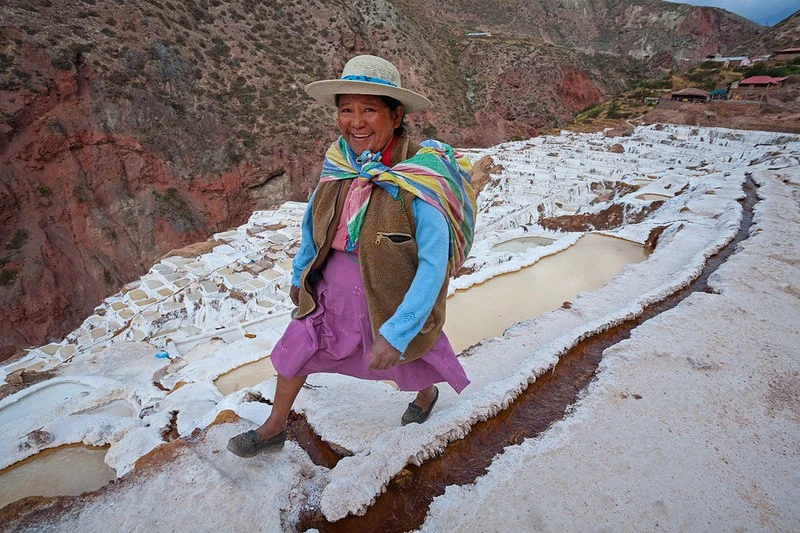
The community of Maras is deeply connected to the salt mines, with many local families relying on salt production for their livelihoods. The operation of the salt pans is a communal effort, with ownership passed down through generations. This sense of community ownership fosters a strong bond between the people and the land, reflecting a way of life that has endured for centuries.
Preserving Cultural Heritage
The people of Maras take great pride in their cultural heritage, maintaining traditional methods of salt extraction. This commitment to preserving their ancestral practices is evident in their daily lives and community activities. The preservation of these techniques is not only a matter of cultural pride but also an essential aspect of their economic sustainability, attracting tourists who seek authentic cultural experiences.
As visitors explore the salt mines, they are encouraged to respect the cultural significance of the site and engage with the community in a manner that supports sustainable tourism. This involves understanding the delicate balance between tourism and tradition, ensuring that the influx of visitors contributes positively to the local economy without compromising cultural integrity.
The Connection to Moray and Other Cusco Attractions
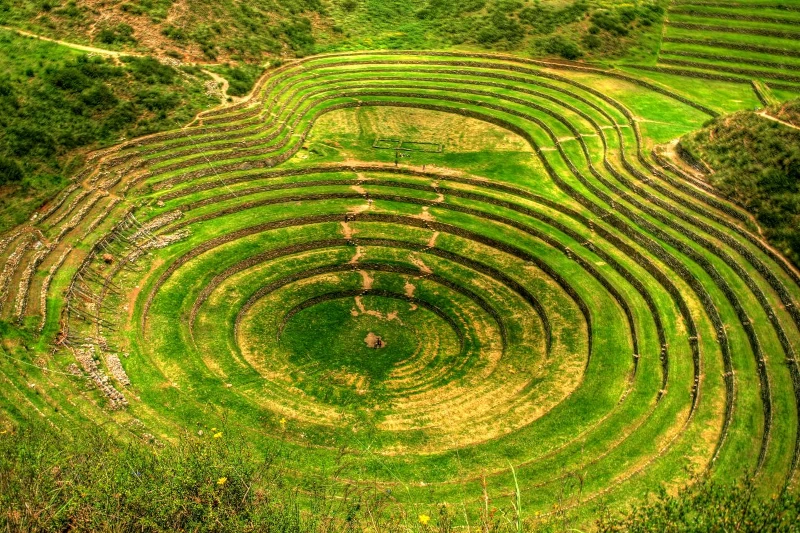
The Maras Salt Mines are often visited in conjunction with another fascinating site in the Sacred Valley. Moray is an archaeological site consisting of circular terraces that were likely used for agricultural experimentation by the Incas. This proximity allows visitors to delve deeper into the rich tapestry of Incan innovation and culture, making for a comprehensive exploration of the region’s historical significance.
The Incan Agricultural Marvel of Moray
Moray’s terraces are a marvel of Incan engineering, demonstrating their sophisticated understanding of microclimates and crop cultivation. The site’s proximity to Maras makes it an ideal companion destination for those interested in exploring the achievements of the Incan civilization. The circular design of Moray’s terraces is believed to have been used to simulate different climatic conditions, showcasing the Incas’ advanced agricultural techniques.
For travelers, the combination of visiting both Maras and Moray offers a diverse experience of the Sacred Valley’s archaeological and cultural richness. Each site provides unique insights into the ingenuity of the Incas, making it a fulfilling journey through Peru’s storied past.
Conclusion
The Maras Salt Mines in Cusco are more than just a tourist attraction; they are a living testament to the ingenuity and resilience of ancient Andean cultures. For those seeking to understand the depth and diversity of Andean heritage, a visit to Maras offers a unique opportunity to experience this rich cultural tapestry firsthand. The mines are a place where history and modern life coexist, providing a window into the past while supporting the present-day community.
As you plan your visit, remember to embrace the journey with respect for the land and its people, ensuring that the legacy of Maras continues to inspire and educate future generations. By engaging with the site and its community respectfully, visitors can contribute to the preservation of this invaluable cultural heritage for years to come, making their experience at Maras both meaningful and memorable.