Tripadvisor


The Salkantay Trek is a challenging adventure that demands both physical endurance and mental resilience. The physical demands of high-altitude hiking require a well-rounded diet to maintain energy levels and promote recovery. As such, the meals provided along the way play a crucial role in fueling trekkers and enhancing their overall experience. These meals are meticulously planned to ensure a balance of nutrition, taste, and cultural authenticity, offering a delightful introduction to Andean cuisine of Cusco. The act of sharing meals also fosters a sense of camaraderie among trekkers, uniting diverse groups through shared experiences and flavors.
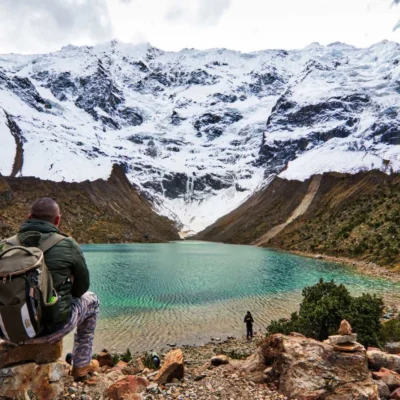
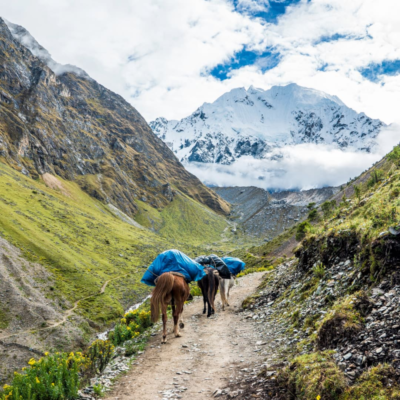
The Salkantay Trek is one of the best-known routes today, apart from the Classic Inca Trail of 4 days/3 nights. The Nevado de Salkantay is at an altitude of 6,271 meters above sea level. As travelers, we have a pass known as the Salkantay Pass, which is at an altitude of more than 4,630 meters above sea level, so food is essential and must provide sufficient energy and aid physical recovery, as there are long stretches to cover, especially on the second and fourth days. Staying hydrated is the best way to overcome each stage of this wonderful route to Salkantay.
Breakfast: The Start of a Day’s Adventure

Provides essential nutrients and energy to start a demanding day on the Salkantay Trek
Designed to fuel hikers for rugged terrain and long distances. Balanced combination of carbohydrates and proteins.Common breakfast items include:
- Omelets or scrambled eggs
- Oats, quinoa
- Bread with butter
Beverages often served:
- Coffee
- Coca tea, a traditional Andean drink known for its energizing effects
A warm and comforting meal that helps trekkers begin the day motivated and refreshed. The inclusion of quinoa, a staple grain in Andean diets, is particularly noteworthy. Rich in protein, fiber, and essential amino acids, quinoa serves as a powerful source of energy for trekkers.
For more Information check : Tour in Salkantay Trek 5 Days | 4 nights
Lunch: A Midday Break Amidst the Clouds

Lunches during the trek are often served picnic-style, allowing hikers to rest and rejuvenate amidst the stunning Andean scenery of the Inca trails.
Features a balanced combination of:
- Carbohydrates
- Rice
- Meat or tuna
- Vegetables
Provides the necessary sustenance for the afternoon hike and offers a chance to rest and recharge. Allows trekkers to enjoy scenic views and reflect on the journey so far.
Dinner: Winding Down with Andean Flavors

As the day winds down, dinner becomes a moment for reflection and community. Gathered around a warm meal, trekkers can share stories and experiences, creating bonds that enhance the journey’s emotional depth. The evening meal is an opportunity to relax and enjoy the company of fellow adventurers, setting the stage for a restful night under the stars.
Dinner on the Salkantay Trek is often a more elaborate affair, featuring multiple: rice with chicken, pasta, stews, hot mate to warm you up
The Cultural Significance of Andean Meals
The meals during the Salkantay Trek are more than just sustenance; they are a celebration of the Andean culture and its profound connection to the land. Each dish tells a story of history, tradition, and survival in one of the world’s most challenging environments. Understanding the cultural context of these meals adds a layer of depth to the trekking experience, transforming a simple meal into an educational encounter with Andean heritage.
The Role of Quinoa and Potatoes
Quinoa and potatoes are staples in Andean cuisine, deeply rooted in the region’s history. Quinoa, often referred to as the “mother grain,” is a symbol of Andean agriculture’s ingenuity. Its ability to thrive in harsh, high-altitude conditions is a testament to the adaptability of Andean farming practices. Potatoes, with their vast variety, reflect the biodiversity of the Sacred Valley, the Andean people’s expertise in farming. With over 4,000 varieties grown in the Andes, potatoes are a crucial part of the Andean diet, showcasing the region’s agricultural richness.
Preparing for the Trek: Food Safety and Considerations
While the meals on the Salkantay Trek are generally safe and prepared with care, trekkers should still take certain precautions. It is advisable to carry hand sanitizer and use it before meals. Additionally, drinking bottled or purified water is recommended to avoid any potential stomach issues. Staying hydrated is crucial at high altitudes, and safe drinking practices ensure a healthy and enjoyable trek.
For those with dietary restrictions or preferences, it is essential to communicate these to the tour operator in advance. Many trekking companies are accommodating and can tailor meals to suit vegetarian, vegan, or gluten-free diets. Preparing in advance ensures that all trekkers can enjoy the culinary offerings without compromising their health or dietary needs.
A Culinary Journey Through the Andes
Salkantay Trek to Machu Picchu is not just a physical journey but also a culinary exploration of Andean culture. From the hearty breakfasts that fuel your adventure to the comforting dinners shared under the stars, each meal offers a glimpse into the rich traditions and history of the Andes. The flavors and ingredients encountered along the way provide insight into the resilience and ingenuity of Andean communities, enriching the trekking experience beyond the physical challenge. Don’t forget to check alternative tours like the Ausangate Trek, another equally unforgettable experience.
Visit Social Media and TripAdvisor