
Ollantaytambo, often referred to as the «Living Inca Town,» serves as the perfect starting point for your Ollantaytambo to Inca Trail adventure. This charming village is rich in history and culture, with its narrow cobblestone streets and ancient Inca fortress standing as a testament to its storied past. As you explore Ollantaytambo, you’ll uncover valuable insights into the Inca Empire and the advanced architecture that later shapes your Ollantaytambo to Inca Trail journey.
Exploring the Village’s Rich History
Ollantaytambo is not just the gateway to the Ollantaytambo to Inca Trail route; it is also a fascinating destination in itself. The entire village feels like a living museum, with streets bordered by original Inca stonework and a layout that has remained unchanged for centuries. Walking through its maze of passages gives you a vivid sense of the past. Vibrant local markets offer handmade crafts and cultural immersion, adding depth to your visit before beginning the Ollantaytambo to Inca Trail trek.
The Inca Fortress: A Marvel of Engineering
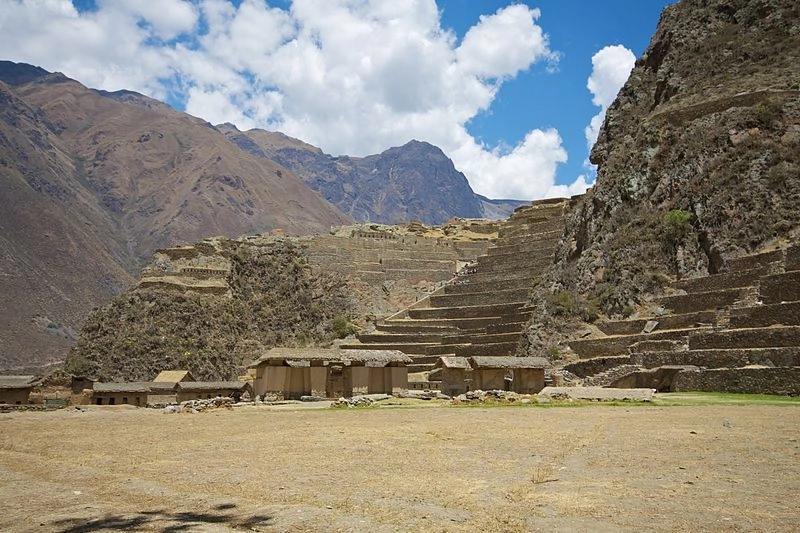
The Ollantaytambo fortress is one of the most impressive structures on the route to the Ollantaytambo to Inca Trail. Massive stone terraces dominate the mountain slopes, serving as both a defensive stronghold and a sacred ceremonial site. Hiking to the top rewards you with unforgettable views of the Sacred Valley and the surrounding Andes. The fortress showcases the Incas’ ability to adapt their architecture to rugged landscapes—skills that become even more apparent as you continue toward the Ollantaytambo to Inca Trail.
Cultural Immersion and Local Traditions
Connecting with the local Quechua-speaking community adds a meaningful cultural layer to your Ollantaytambo to Inca Trail experience. Traditional weaving demonstrations, local festivals, and meals featuring dishes like cuy (guinea pig) allow you to engage with living traditions that have survived for centuries. These interactions enrich your journey and highlight the cultural depth of the region.
The Short Inca Trail: A Compact Adventure
If you have limited time before continuing from Ollantaytambo to Inca Trail, the Short Inca Trail offers a condensed yet memorable trekking experience. Starting at the 104-kilometer mark of the railway, this one- or two-day route showcases the beauty of the Inca Trail without requiring the longer multiday commitment.
Chachabamba: The Historical Starting Point
Chachabamba serves as the gateway to the Short Inca Trail. This archaeological site boasts well-preserved Inca structures, including ceremonial baths that were possibly used for religious purification rituals. As you explore, you’ll gain insight into the sophisticated water management systems of the Incas, which highlight their advanced understanding of engineering and architecture.
Wiñay Wayna: Forever Young
Wiñay Wayna is a standout site on the Short Inca Trail, aptly named «Forever Young» for its vibrant energy and breathtaking beauty. The complex features intricately constructed terraces that cascade down the mountainside, offering stunning views of the Urubamba River. The site’s strategic location and impressive architecture provide clues about its significance in Inca society, possibly serving as an agricultural center or rest stop for travelers on the trail.
Sun Gate (Inti Punku): The First Glimpse of Machu Picchu
The Sun Gate, or Inti Punku, marks the end of the Short Inca Trail and offers trekkers their first breathtaking view of Machu Picchu. Arriving at sunrise is particularly magical, as the first rays of light illuminate the ancient city, creating an unforgettable moment. This vantage point allows you to appreciate the grandeur of Machu Picchu and the surrounding mountains, giving you a sense of accomplishment and awe.
Preparing for Ollantaytambo to Inca Trail: Altitude and Acclimatization
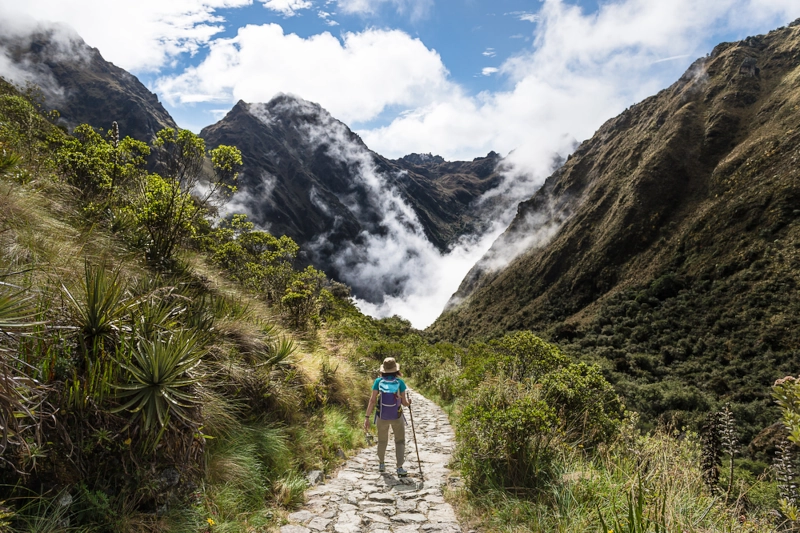
Altitude plays a crucial role when preparing for the Ollantaytambo to Inca Trail. Ollantaytambo sits at 2,792 meters (9,160 feet), while Dead Woman’s Pass—the highest point on the trail—reaches 4,215 meters (13,828 feet). Proper acclimatization ensures a safer and more enjoyable hike.
Understanding Altitude Sickness
Altitude sickness can affect anyone, regardless of fitness level, and being prepared is key to a successful trek. Symptoms may include headaches, nausea, dizziness, and shortness of breath. Being aware of these signs and knowing how to manage them is vital for your safety and comfort on the trail.
Effective Acclimatization Strategies
Spend a few days in Cusco or Ollantaytambo before your Ollantaytambo to Inca Trail departure. Gentle activities like museum visits or short walks help your body adjust. Stay well-hydrated—aim for three liters of water per day—and try coca tea, traditionally used to alleviate altitude symptoms.
Nutrition and Fitness Preparation
Preparing your body for the Inca Trail involves more than just acclimatization. Focus on building your cardiovascular fitness and leg strength through regular exercise, such as hiking, cycling, or running. Nutrition is equally important; consume a balanced diet rich in carbohydrates, proteins, and healthy fats to fuel your body for the trek. Avoid alcohol and heavy meals in the days leading up to your hike to ensure optimal performance.
Choosing Your Inca Trail Guide: What to Look For on the Ollantaytambo to Inca Trail
Whether you’re embarking on a short Inca Trail or the classic four-day trek, selecting the right guiding tour is essential for a successful experience. A knowledgeable Inca trail guide will enhance your journey by providing insights into the history, culture, and natural wonders of the region.
Experience and Expertise
When choosing a guide, prioritize those with extensive experience and a deep understanding of the Inca Trail and its surroundings. An experienced guide can offer historical anecdotes, point out unique flora and fauna, and ensure your safety throughout the trek. Their expertise can transform your journey from a simple hike into an educational adventure.
Certification and Licensing
Ensure that your guide is properly certified and licensed by the appropriate authorities. Licensed guides are trained to handle emergencies and are knowledgeable about the regulations and conservation efforts in the region. This certification is a testament to their professionalism and commitment to providing a safe and enriching experience.
Group Size and Dynamics
Consider the size of the group when selecting a tour. Smaller groups often offer a more personalized experience, allowing for better interaction with your guide and fellow trekkers. This intimate setting fosters a sense of camaraderie and can lead to lasting friendships, enhancing the overall experience.
Commitment to Sustainability
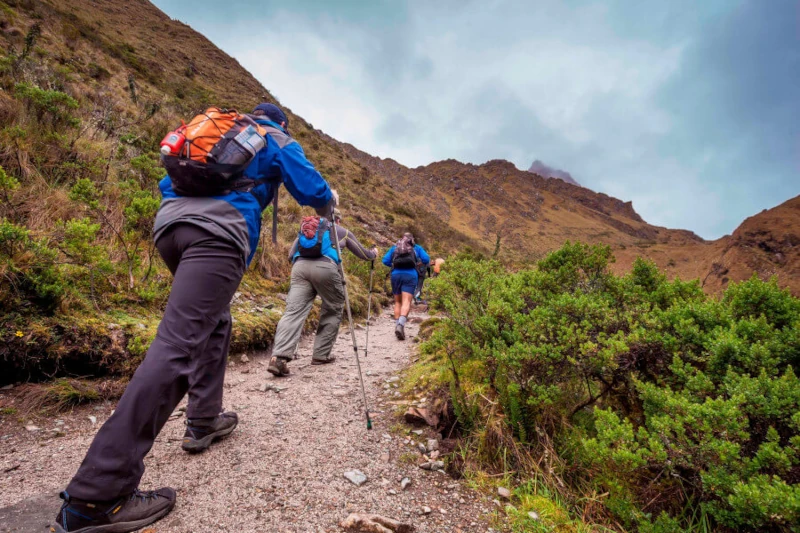
Choose tour operators that prioritize environmental conservation and support local communities. Responsible tourism practices include minimizing waste, respecting local customs, and contributing to the preservation of the Inca Trail. Supporting operators who employ local guides and porters ensures that your trek benefits the community economically and culturally.
FAQs: Everything You Need to Know About the Inca Trail
As you plan your journey from Ollantaytambo to the Inca Trail, you may have a few questions. Here are some frequently asked questions to help you prepare:
What is the Best Time to Hike the Inca Trail?
The best time to trek the Inca Trail is during the dry season, from May to September. During this period, you’ll experience clear skies and pleasant temperatures, making for ideal hiking conditions. However, it’s also the busiest time, so early booking is essential. The shoulder months of April and October offer fewer crowds and still generally good weather, albeit with a slightly increased chance of rain.
How Difficult is the Inca Trail?
The Inca Trail is considered a moderately challenging trek. While it doesn’t require technical climbing skills, it does involve significant elevation changes and long days of hiking. Daily distances vary, with some days requiring up to 8 hours of trekking.
Proper preparation and acclimatization are essential to tackle the trail with confidence. Mental preparation is equally important; maintaining a positive attitude and pacing yourself can make the journey more enjoyable.
What Should I Pack for the Inca Trail?
Packing for the Inca Trail requires careful consideration to balance comfort and practicality. Sturdy hiking boots are essential for navigating uneven terrain, while lightweight clothing for layering helps regulate body temperature. Rain gear and a waterproof backpack cover are crucial for unexpected weather changes.
Don’t forget sunscreen, sunglasses, and a hat to protect against UV rays at high altitudes. A reusable water bottle and water purification tablets ensure you stay hydrated, while snacks and energy bars provide necessary sustenance. A personal first-aid kit is vital for addressing minor injuries or ailments.
The Final Stretch: Reaching Machu Picchu
Reaching Machu Picchu is the crowning achievement of your Inca Trail adventure. As you stand among the ancient ruins, you’ll be filled with a sense of wonder and appreciation for the ingenuity of the Inca civilization.
Exploring Machu Picchu’s Architectural Wonders
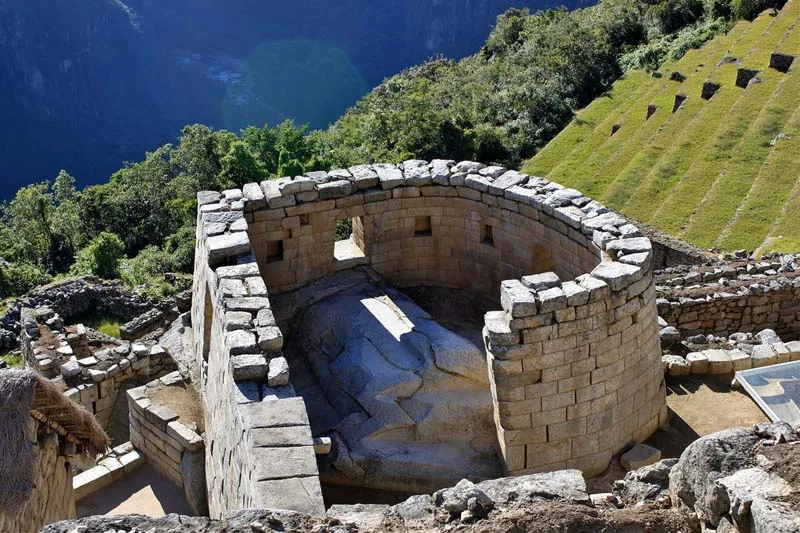
Once you’ve arrived, take your time to explore the various sectors of Machu Picchu, from the Temple of the Sun to the Intihuatana Stone. Each structure tells a unique story connected to Inca astronomy and agriculture. A guided tour can deepen your understanding of the site’s history and meaning. If you choose to hike Huayna Picchu, you’ll enjoy one of the most iconic views of the citadel and gain a new perspective on its impressive design.
Capturing the Perfect Moment
Photography enthusiasts will find endless opportunities to capture the beauty of Machu Picchu. The morning light offers soft, diffused illumination, while afternoon shadows highlight the site’s dramatic contours. Whether you’re using a professional camera or a smartphone, remember to pause and appreciate the moment beyond the lens, absorbing the awe-inspiring views and the profound sense of history.
Reflecting on the Journey
As you take in the breathtaking views, reflect on the journey that brought you here. From the bustling streets of Ollantaytambo to the serene landscapes of the Inca Trail, each step has been a part of an incredible adventure. The challenges and triumphs of the trek will leave you with memories that last a lifetime, and the experience of standing amidst the ruins of Machu Picchu is a testament to the enduring legacy of the Inca Empire.
Conclusion: A Journey of Discovery
The journey from Ollantaytambo to the Inca Trail is more than just a hike; it’s an exploration of ancient routes that have stood the test of time. With the right preparation, guidance, and curiosity, you’ll create memories that will last a lifetime. Whether you’re drawn to the history, the scenery, the challenge, or the deeper meaning of a spiritual tour, the Inca Trail offers an unparalleled adventure waiting to be discovered. Embrace the experience and let the spirit of the Incas guide your steps on this unforgettable journey.