Tripadvisor


Nestled within the breathtaking Sacred Valley of Peru, the Pisac Ruins stand as a testament to the ingenuity and artistry of the Inca Empire. This archaeological site, located at an elevation of around 3,300 meters above sea level, offers a fascinating glimpse into the past, showcasing the sophisticated engineering and agricultural techniques that allowed the Incas to thrive in the rugged Andes. In this guide, we will explore the history, terraces, and engineering marvels of the Pisac Ruins, providing insights that will enrich your understanding of this remarkable site.
Pisac, a town in the Sacred Valley near Cusco, is not only known for its vibrant traditional market but also for the impressive Inca ruins that rise high above it. The Pisac archaeological site played a crucial role in the Inca Empire, as it was strategically positioned to defend the southern entrance to the Sacred Valley, which connected directly with Cusco, the imperial capital. In addition to its defensive function, Pisac served as an important agricultural, religious, and military center.
The location of Pisac Ruins was no accident. Perched high on a hill, it provided a strategic vantage point to monitor and control the surrounding valley. This elevated position enabled the Incas to spot potential threats and communicate signals across vast distances. The ruins are believed to have been constructed during the reign of Pachacuti, one of the most influential Inca emperors who expanded the empire significantly. Under his rule, the site developed not only as a military bastion but also as a symbol of imperial power. The site’s fortifications, including the watchtowers and military structures, highlight its defensive purpose and the strategic foresight of the Incas in safeguarding their territories.
Beyond its military significance, Pisac was also a spiritual and cultural hub. The Incas believed that the Sacred Valley was a reflection of the Milky Way, and Pisac’s location was thought to align with celestial bodies. This cosmic relationship was deeply embedded in their spirituality, influencing their architectural layouts and ceremonial practices. Temples and altars found at Pisac indicate that it was a center for astronomical observations and religious ceremonies. This connection between the earth and the heavens was central to Inca spirituality, and Pisac played a vital role in religious ceremonies and rituals. The rituals performed here were believed to ensure the fertility of the land and the prosperity of the people.
In addition to its religious and military roles, Pisac was a thriving economic and agricultural hub. The fertile land of the Sacred Valley allowed the Incas to cultivate a wide array of crops, which supported not only the local population but also the wider empire. Its terraces and water management systems exemplified advanced agricultural practices, making Pisac a vital component of the Inca economy. The surplus produce from Pisac’s terraces was crucial in supporting both local needs and distant campaigns, showcasing the strategic integration of agriculture within the empire’s expansionist agenda.
The Ingenious Terraces of Pisac

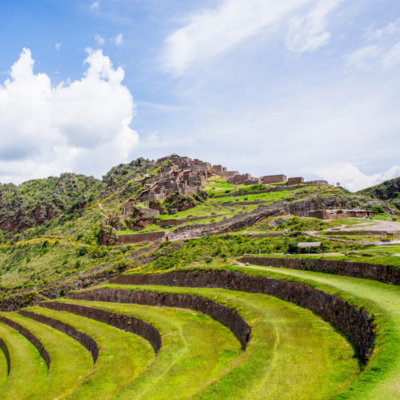
One of the most striking features of the Pisac Ruins is the extensive system of agricultural terraces. These terraces are a testament to the Inca’s mastery of Andean engineering and agriculture.
Agricultural Innovation
The terraces at Pisac were ingeniously designed to maximize arable land in the steep Andean terrain. By creating level surfaces along the slopes, the Incas were able to cultivate a variety of crops, including maize, potatoes, and quinoa. These terraces were not just functional but also aesthetically pleasing, blending seamlessly with the natural contours of the mountains. The terraces also helped prevent soil erosion and managed water distribution effectively, showcasing the Incas’ profound understanding of sustainable farming practices. Their construction involved precise calculations to ensure durability and productivity, reflecting the Incas’ deep knowledge of engineering and agriculture.
Microclimates and Crop Diversity
The terraces at Pisac Ruins were not uniform; they were built at different elevations, creating microclimates that allowed the Incas to grow diverse crops. This strategic use of altitude and climate variation was crucial for ensuring food security and agricultural diversity. Each terrace had its own unique climate, providing optimal growing conditions for specific crops. This diversity was essential for the Incas, as it provided a buffer against crop failure due to pests or climate changes. The ability to grow a variety of crops also supported the nutritional needs of the population, promoting resilience and stability within the empire.
Water Management and Irrigation Techniques
Water was a critical resource for sustaining the terraces, and the Incas devised advanced irrigation systems to ensure its efficient use. Channels and aqueducts were intricately constructed to divert water from nearby streams to the terraces. These systems not only facilitated irrigation but also helped in managing excess water during the rainy season, preventing flooding and soil erosion. The Incas’ ability to manipulate water resources demonstrates their ingenuity and adaptability in harnessing natural elements for agricultural success. This water management system was integral to the terraces’ operation, highlighting the sophisticated engineering skills of the Inca civilization.

Andean Engineering Marvels
The Pisac Ruins are not just about terraces; they also feature remarkable examples of Inca engineering that continue to amaze visitors and scholars alike.
Water Management Systems
Water was a precious resource in the arid Andean highlands, and the Incas developed sophisticated systems to manage it. At Pisac, you can find intricate aqueducts and channels that transported water to the terraces and ceremonial areas. These systems were designed with a keen understanding of hydraulics, allowing the Incas to control water flow precisely. These engineering feats ensured a steady water supply for agriculture and religious rituals. The careful planning and execution of these water management systems reflect the Incas’ commitment to sustainability and their deep respect for nature.
Stonework and Craftsmanship
The stonework of Pisac Ruins is a testament to the Inca’s exceptional craftsmanship. The stones were precisely cut and fitted together without the use of mortar, a technique known as ashlar masonry. This method not only ensured the stability of the structures but also demonstrated the Incas’ aesthetic sensibility, as seen in the finely carved temples and ceremonial platforms. The precision of the stonework is evident in the seamless joins and the intricate carvings that adorn many of the structures. This level of craftsmanship required not only skill but also a profound understanding of geometry and architecture.
Architectural Design and Urban Planning
The layout of Pisac reflects the Incas’ advanced urban planning and architectural design. The site is divided into distinct sections, including residential areas, religious temples, and agricultural zones, each strategically located to optimize functionality and aesthetics. This separation of spaces facilitated efficient movement and organization, allowing the site to function as a cohesive unit. The design of Pisac also incorporated elements of the natural landscape, harmonizing the built environment with the surrounding mountains and valleys. This integration of architecture and nature underscores the Incas’ holistic approach to settlement design, ensuring sustainability and harmony with the environment.
Visiting Pisac Today
For modern travelers and cultural tours enthusiasts, the Pisac Ruins offer a unique opportunity to connect with the ancient Inca civilization. A visit to Pisac is not just a journey through history but also an exploration of the cultural and natural beauty of the Sacred Valley.
The Pisac Market

Before or after exploring the Pisac Ruins, make sure to visit the bustling Pisac market. This vibrant marketplace is a treasure trove of traditional Andean crafts, textiles, and souvenirs. The market offers a sensory experience, with its colorful displays and the aroma of local foods filling the air. It provides a glimpse into contemporary Andean culture and offers a chance to interact with local artisans. Engaging with the vendors and craftsmen can enhance your understanding of the region’s cultural heritage and the enduring legacy of Inca traditions.
Nearby Attractions
While in the Sacred Valley, consider extending your journey to other remarkable sites, such as Ollantaytambo and the Maras and Moray tour. Ollantaytambo is another impressive Inca site known for its massive stone structures and terraces. The town itself retains much of its original Inca layout, offering a unique glimpse into the past. The Maras and Moray tour offers insight into ancient salt mining techniques and the mysterious circular terraces of Moray. These sites complement the experience at Pisac, providing a broader understanding of Inca ingenuity and cultural richness.
Practical Tips for Visiting
When planning your visit to Pisac Ruins, consider the best time of year for optimal weather conditions. The dry season, from May to September, is ideal for exploring the ruins and the market. It’s also important to acclimate to the altitude before visiting, as Pisac is located at a high elevation and some travelers may experience altitude sickness (soroche). Drinking plenty of water, resting, and using coca leaves or coca tea, a traditional Andean remedy, can help alleviate symptoms. Wear comfortable walking shoes and bring sun protection, as the site involves a fair amount of walking and sun exposure. Hiring a local guide can also enhance your visit, offering valuable insights into the history and cultural significance of Pisac.
Conclusion
The Pisac Ruins are a window into the past, showcasing the ingenuity and spirituality of the Inca civilization. From its strategic location to its agricultural terraces and engineering marvels, Pisac is a testament to the Incas’ ability to harmonize with their environment. As you explore this remarkable site, take a moment to appreciate the cultural richness and historical significance that continues to captivate travelers and scholars alike. Whether you’re drawn to the stunning vistas, intricate stonework, or vibrant market, Pisac offers a journey through time that is both enlightening and inspiring.
Embarking on a journey to Pisac not only enriches one’s understanding of the Inca civilization but also offers a profound connection to a culture that continues to influence the region today. The legacy of the Incas is palpable in the landscape, architecture, and traditions of the Sacred Valley. By visiting Pisac, you become part of a timeless narrative, one that speaks of resilience, innovation, and the enduring spirit of a remarkable civilization.