
The Salkantay vs Ausangate trek are popular alternatives to the classic Inca Trail. It stretches approximately 46 miles, traversing diverse landscapes that range from lush tropical jungles to stark, snow-capped peaks. The trek is named after the majestic Salkantay Mountain, which stands as one of the highest peaks in the Peruvian Andes. Trekkers experience a wide range of climates, starting in warm, humid forests and ascending to cold, wind-swept highlands.
Altitude Adventures on Salkantay
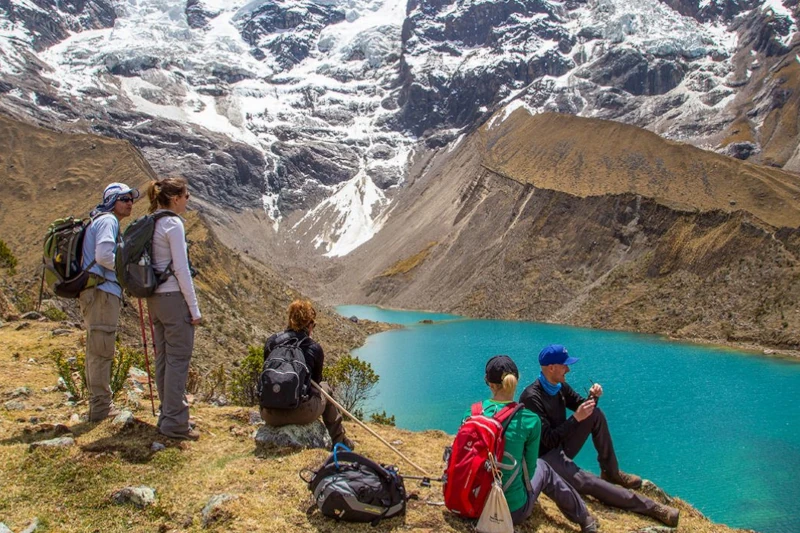
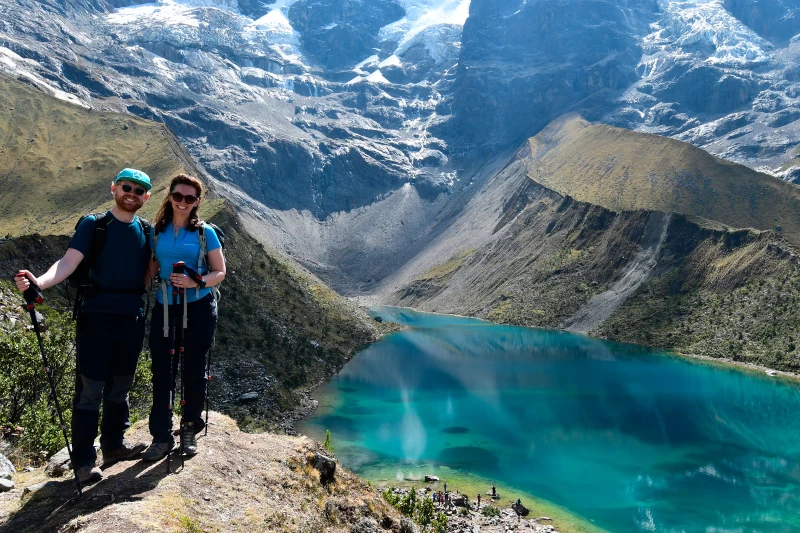
Reaching altitudes of up to 15,000 feet, the Salkantay Trek provides a challenging yet rewarding experience. The altitude can be a formidable barrier for many, requiring preparation and acclimatization. As trekkers ascend, the air thins, temperatures drop, and the landscape transforms into a dramatic theater of natural beauty. Each step at these altitudes is a testament to endurance and determination.
Ausangate Trek: Remote and Pristine
In contrast, the Ausangate Trek is a lesser-known path that offers an even more remote and pristine experience. This trek is about 43 miles long and circles the sacred Ausangate Mountain, revered in Andean mythology. The path is less trodden, offering solitude and a closer connection to nature, where trekkers can enjoy the tranquility and untouched beauty of the region.
High Altitude Wonders on Ausangate
With altitudes peaking at around 17,000 feet, the Ausangate Trek is not for the faint-hearted but promises unparalleled vistas of glacial valleys and vibrant turquoise lakes. The higher altitudes of Ausangate present a unique set of challenges, including harsher weather conditions and more severe altitude effects. Yet, the breathtaking views and the spiritual significance of the journey make it a worthwhile endeavor for seasoned trekkers.
Cultural and Historical Insights
Salkantay: A Path to Machu Picchu
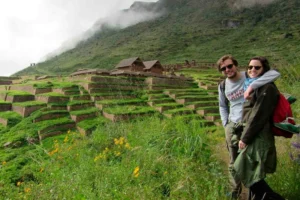
The Salkantay Trek culminates in the awe-inspiring ruins of Machu Picchu, one of the most iconic symbols of the Inca Empire. This trail offers a glimpse into the rich history of the Incas, whose engineering prowess and spiritual beliefs are evident in the ruins and the surrounding sacred landscapes. Each step along the trek is a journey through history, where ancient pathways lead to one of the world’s most revered archaeological sites.
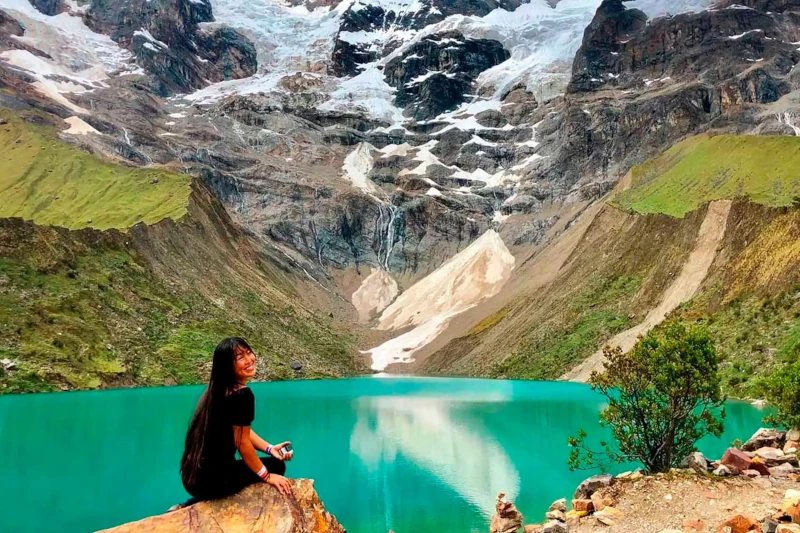
Incan Engineering and Spirituality
The Salkantay Trek not only showcases the natural beauty of the Andes but also the incredible engineering feats of the Inca civilization. The ruins of Machu Picchu reveal sophisticated architectural techniques and a deep understanding of astronomy and agriculture. Trekkers can explore the remnants of temples, terraces, and water channels, gaining insight into the spiritual and practical lives of the Incas.
Ausangate: A Spiritual Journey
The Ausangate Trek, while not leading to Machu Picchu, offers a deeper connection to Andean spirituality. The mountain is considered a powerful deity, or «Apu,» and the trek is a pilgrimage of sorts, offering insight into the spiritual traditions and rituals of the indigenous Quechua people. The journey around Ausangate is more than a physical trek; it’s a spiritual exploration of the mountains’ sacredness.
Quechua Traditions and Rituals
Trekkers on the Ausangate route often encounter local Quechua communities who maintain their traditional ways of life. Engaging with these communities provides an opportunity to learn about ancient customs, such as offerings to the mountain spirits and traditional weaving techniques. The trek is a cultural immersion into the lives of those who have coexisted with these majestic mountains for centuries.
Trekking Itinerary and Highlights
Salkantay Trek Itinerary
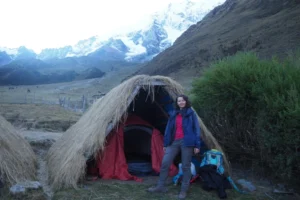
- Day 1: Start at Mollepata. Begin your journey in the quaint village of Mollepata, where the trail winds through lush cloud forests. The path gradually ascends, offering glimpses of the diverse flora and fauna that thrive in this rich ecosystem. As you hike, the air is filled with the sounds of exotic birds and the rustling of leaves.
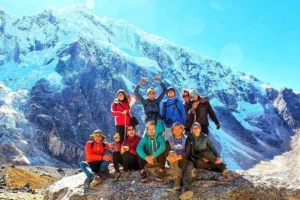
- Day 2: Ascend to the Salkantay Pass. This is the trek’s highest point, where the landscape shifts dramatically to rugged mountain terrain. The climb to the pass is challenging but rewarding, with panoramic views of the surrounding peaks. At the summit, you are greeted by the imposing presence of Salkantay Mountain, a sight that inspires awe and respect.
- Day 3: Descend into Subtropical Regions. The trail descends into warmer, subtropical areas, where coffee plantations and vibrant villages dot the landscape. This day offers a chance to interact with local farmers and learn about the region’s agricultural practices. The descent brings relief from the cold, high-altitude environment.
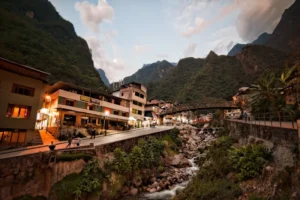
- Day 4: Aguas Calientes serves as the gateway to Machu Picchu. Here, trekkers can relax and rejuvenate in the town’s hot springs, preparing for the final leg of the journey. The anticipation builds as you approach the climax of the trek, the iconic ruins of Machu Picchu.
- Day 5: The trek culminates with a visit to Machu Picchu, where you can explore the ancient city’s architectural marvels. The site offers a profound connection to the Inca civilization, with its intricate stonework and spiritual significance. It’s a fitting end to a journey filled with natural beauty and historical wonder.
Ausangate Trek Itinerary
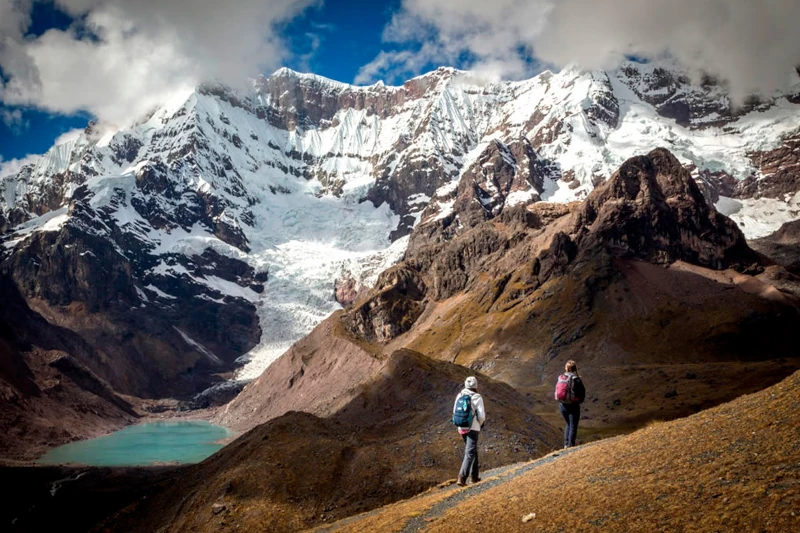
- Day 1: Begin at TinquiStart your trek at the remote village of Tinqui, where the journey begins through picturesque meadows. The path is adorned with wildflowers and grazing llamas, setting a serene tone for the days ahead. The landscape is vast and open, providing a sense of freedom and tranquility.
- Day 2: Cross the First High Pass. The trail ascends to the first high pass, offering breathtaking views of the Ausangate Mountain. The climb is demanding, but the reward is a panoramic vista that stretches as far as the eye can see. This day is a test of endurance and a celebration of nature’s grandeur.
- Day 3: Encounter Glacial Lakes and Alpaca Herding CommunitiesThe path winds past colorful glacial lakes, their turquoise waters a striking contrast against the surrounding peaks. Trekkers will pass through traditional alpaca herding communities, where they can learn about the herders’ way of life and the cultural significance of these animals.
- Day 4: Trek Over the Second High Pass. Another ascent leads to the second high pass, where the air is thin and the views are spectacular. The journey concludes near the hot springs of Pacchanta, where trekkers can soak in the soothing waters and reflect on their spiritual journey. The evening offers a chance for quiet contemplation under a sky filled with stars.
- Day 5: Relax in Natural Hot Springs. The final day is a time for relaxation and reflection, as you unwind in the natural hot springs. The warmth of the springs soothes tired muscles and provides an opportunity to absorb the spiritual energy of the mountains. It’s a peaceful end to a trek that has touched both body and soul.
Altitude Considerations
Salkantay’s Challenges
The Salkantay Trek’s altitude can pose a significant challenge, especially at the Salkantay Pass. Acclimatization is crucial to prevent altitude sickness, and trekkers are advised to spend a few days in Cusco before embarking on the trek. The symptoms of altitude sickness can include headaches, dizziness, and nausea, making it essential to pace oneself and stay hydrated.
Preparing for High Altitude on Salkantay
To combat the effects of high altitude, it’s important to gradually increase your exposure to higher elevations. Trekking poles can provide stability on uneven terrain, while a well-planned itinerary allows for rest days that aid in acclimatization. The key is to listen to your body and adjust your pace accordingly, ensuring a safe and enjoyable experience.
Ausangate’s Extremes
Ausangate’s higher altitudes require even greater preparation. The thin air and cold temperatures demand a strong level of fitness and experience in high-altitude trekking. Proper acclimatization and slow, steady pacing are vital for a safe and enjoyable trek. The trek’s remote location also means that medical facilities are limited, making prevention and preparation even more critical.
Adapting to Ausangate’s High Altitude
Trekkers should consider spending additional time acclimatizing in the nearby regions before tackling the Ausangate Trek. High-calorie snacks, warm clothing, and adequate hydration are crucial for maintaining energy levels and combating the cold. Being mindful of your body’s signals and taking breaks when needed can make all the difference in successfully completing the trek.
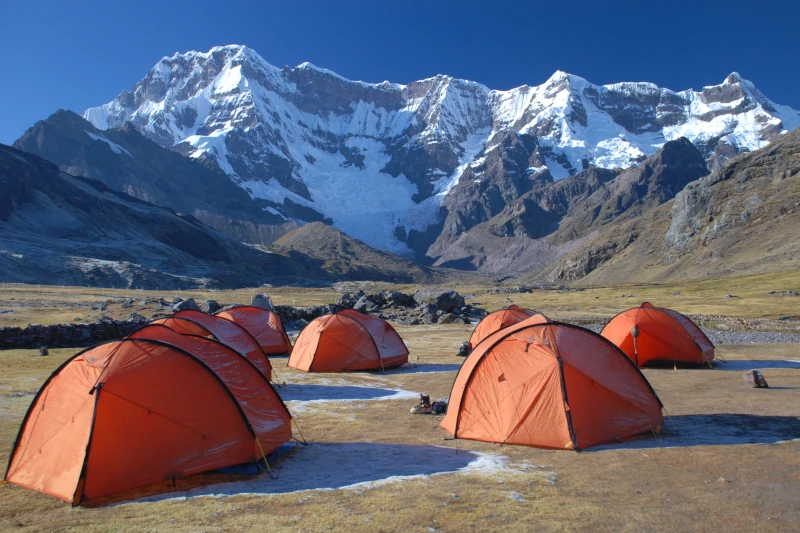
Tips for a Memorable Trek
Gear and Preparation
- Footwear: Invest in sturdy, comfortable hiking boots with good ankle support. Proper footwear is essential to prevent blisters and provide stability on rocky paths. Consider waterproof boots to keep your feet dry in the varied climates of the Andes.
- Clothing: Layering is key; temperatures can vary dramatically between day and night. Lightweight, moisture-wicking fabrics are ideal for base layers, while insulated jackets and rain gear provide protection from the elements. Accessories like hats and gloves are also important for staying warm at high altitudes.
- Acclimatization: Spend time at high altitudes before the trek to adapt to the thin air. This can help reduce the risk of altitude sickness and enhance your overall trekking experience. Consider staying in Cusco or nearby high-altitude locations to gradually adjust to the elevation.
- Guides and Permits: Hiring a knowledgeable guide ensures a richer understanding of the cultural and natural history. Permits are required for both treks, and a guide can assist with the necessary paperwork. Guides also offer invaluable insights into local customs and the natural environment.
Embracing the Journey
- Respect Local Customs: Engage with local communities and learn about their traditions. Showing respect for the local culture enriches your experience and fosters positive interactions. Participate in cultural exchanges and support local artisans by purchasing handmade crafts.
- Environmental Consciousness: Practice Leave No Trace principles to preserve these pristine landscapes. Carry out all trash, minimize campfire impacts, and respect wildlife. Your efforts contribute to the conservation of these beautiful environments for future generations.
- Mindfulness and Reflection: Allow time for personal reflection amidst the awe-inspiring scenery. The trek is not just a physical journey but also an opportunity for introspection and growth. Take moments to pause, breathe, and connect with the natural beauty surrounding you.
Conclusion
Both the Salkantay hiking and Ausangate treks offer unique experiences that transcend mere physical challenge. Whether you’re drawn to the historical allure of the trail to Machu Picchu or the spiritual depth of Ausangate, these treks provide a gateway to understanding the rich cultural heritage of the Andes. As you plan your journey, consider what resonates most with your sense of adventure and curiosity about the world.
In choosing either trek, you are not just embarking on a physical journey but also stepping into a narrative that has been woven through centuries of cultural and spiritual significance. The stories, landscapes, and people you encounter along the way will leave a lasting impression, enriching your understanding of this remarkable region. Happy trekking!