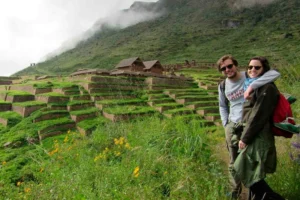

Wildlife in Machu Picchu offers a unique opportunity for memorable encounters, allowing visitors to observe a wide variety of species that have inhabited this region for centuries, just a short distance from Cusco, the historic capital of the Inca Empire.From the grand vistas along the Salkantay Trail to the lush landscapes of the jungle trek, the Historic Sanctuary is a true haven for nature enthusiasts and history lovers alike. Each trail and viewpoint reveals a different perspective of Machu Picchu’s rich biodiversity, inviting exploration and discovery at every turn.
Diverse Ecosystems and High-Altitude Habitats
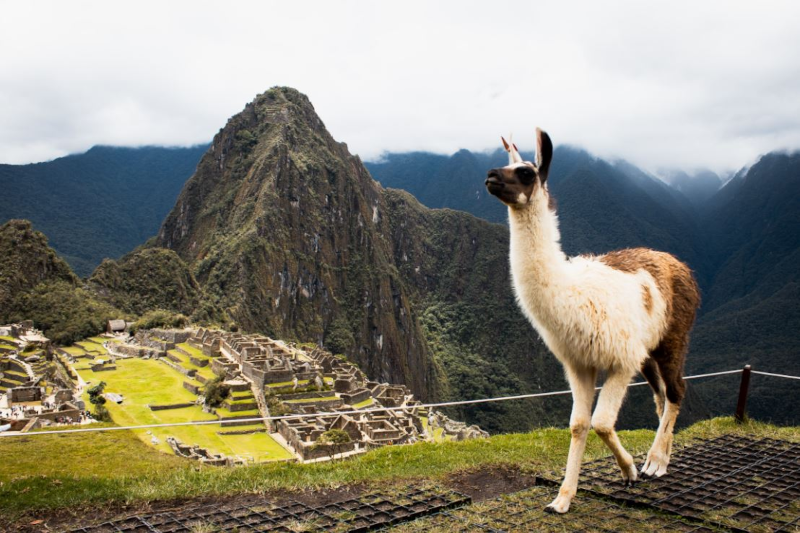
Wildlife in Machu Picchu thrives thanks to the Andes’ dramatic elevation and diverse ecosystems, which provide a perfect backdrop for the many species that inhabit the region. Rising sharply from the jungle below, these mountains create a unique microclimate that supports a wide variety of life. The interaction of altitude, temperature, and moisture forms distinct habitats—from misty cloud forests to sun-drenched grasslands—each rich in biodiversity. The famous Inca Trail winds through these environments, offering breathtaking views while showcasing the remarkable natural and ecological diversity of Machu Picchu.
The Mysteries of the Cloud Forest
The cloud forests are a critical component of Machu Picchu’s ecological tapestry. These lush, verdant areas are characterized by frequent mists and fog, which provide vital moisture to the flora and fauna. The dense vegetation supports a myriad of species, from tiny insects to larger mammals and birds. This delicate ecosystem is a testament to the adaptability and resilience of life in the Andes, where every creature plays a role in maintaining the balance.
Life on the High Mountain Slopes
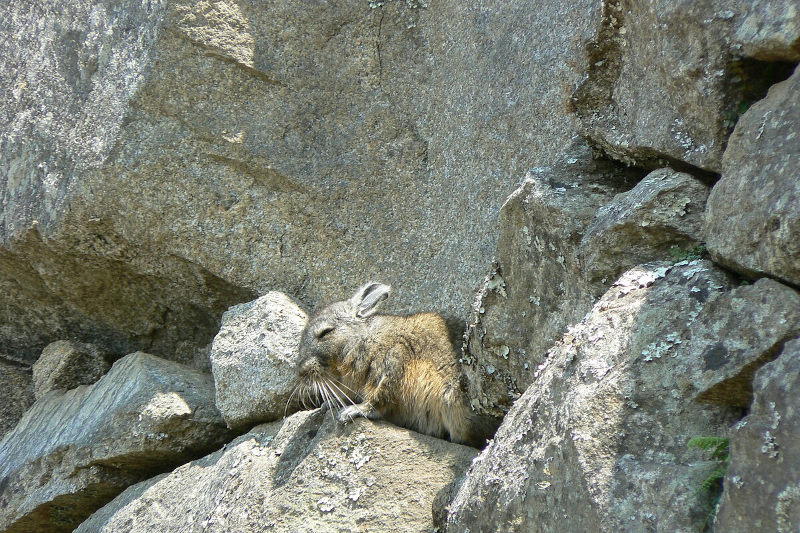
The grasslands and mountain slopes offer a stark contrast to the dense cloud forests. Here, the vegetation is sparse and adapted to the harsh conditions of high altitudes. These areas are home to a different set of species, including hardy plants and animals that have evolved to thrive in the thin air and intense sunlight. The rugged terrain provides shelter and food for creatures like the viscacha, which rely on the rocky outcrops for safety and sustenance.
A Sacred Landscape Designed by the Inca
The landscape of Machu Picchu is not only a natural wonder but also a cultural treasure. The Inca civilization revered these mountains, seeing them as sacred entities that held spiritual significance. This reverence is reflected in the architecture and layout of the city, which was designed to harmonize with the surrounding environment. Today, visitors can experience the same awe and respect for the landscape that the Inca did, as they explore the trails and ruins of this ancient city.
Iconic Birds of the Andes
One of the most captivating sights in the sanctuary is the array of birdlife. The Andean condor, a symbol of power and freedom in Andean mythology, can often be seen soaring above the ruins. With a wingspan of up to 10 feet, these majestic birds are a sight to behold against the backdrop of the Andes. Their graceful flight and impressive size have made them a symbol of the Andean wilderness, representing the spirit and strength of the region.
Vibrant Plumage and Forest Dwellers
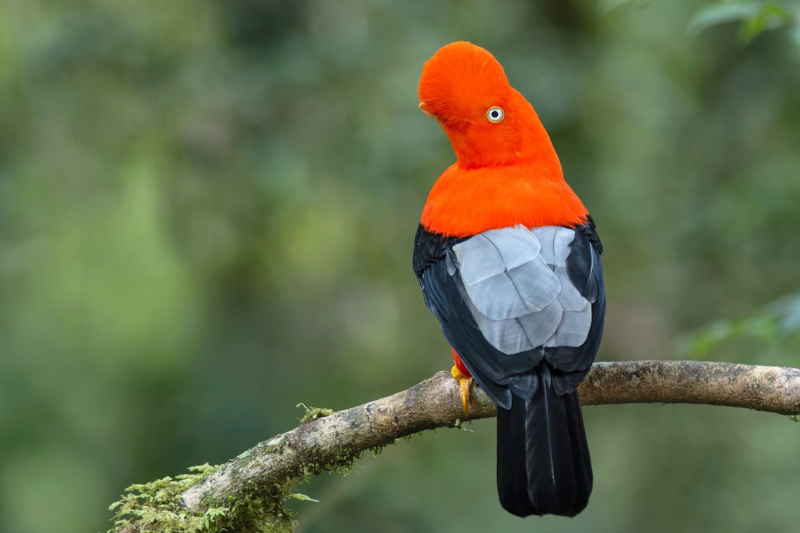
Another avian resident is the cock-of-the-rock, known for its striking red plumage and unique mating dances. These birds are often found in the cloud forests, where their vibrant colors stand out against the lush greenery. During mating season, the males perform elaborate displays to attract females, creating a spectacle that is both mesmerizing and important for the continuation of the species.
A Paradise for Birdwatchers
Birdwatchers will also delight in spotting hummingbirds, tanagers, and the rare torrent duck, which thrives in the fast-flowing rivers of the region. The sanctuary is a paradise for bird enthusiasts, offering opportunities to observe a wide variety of species. Hummingbirds, with their iridescent feathers and rapid flight, are a particular highlight. These tiny birds are a marvel of nature, capable of hovering in place as they feed on nectar from flowers. Tanagers, with their bright plumage, add splashes of color to the landscape, while the elusive torrent duck navigates the turbulent waters with ease. Each bird species contributes to the rich biodiversity of Machu Picchu, making it a must-visit destination for ornithologists and casual observers alike.
The Spectacled Bear and the Agile Viscacha
Machu Picchu is home to the spectacled bear, South America’s only bear species. These elusive creatures, named for the distinctive markings around their eyes, are a rare sight but represent the sanctuary’s dedication to conservation. The spectacled bear plays a crucial role in the ecosystem, helping to disperse seeds and maintain the health of the forest. Efforts to protect these bears are ongoing, ensuring that future generations can continue to marvel at their presence.
Viscachas, relatives of chinchillas, are more commonly seen. These small, rabbit-like mammals are agile climbers, often found perched on rocky outcrops, basking in the sun. Their ability to navigate the rugged terrain makes them well-suited to life in the Andes, where they feed on grasses and other vegetation. Viscachas are an important part of the food chain, serving as prey for larger predators and contributing to the ecological balance of the region.
Mammalian Diversity and Conservation
In addition to spectacled bears and viscachas, Machu Picchu is home to a variety of other mammals. Deer, foxes, and small rodents can be spotted throughout the sanctuary, each adapted to the unique conditions of their environment. These animals play vital roles in the ecosystem, from grazing on vegetation to controlling insect populations. The presence of such diverse mammalian life highlights the importance of conservation efforts in preserving the delicate balance of nature in this region.
Reptiles and Amphibians: Indicators of Health
The sanctuary’s diverse habitats also support a variety of reptiles and amphibians. Look out for the Andean toad and the colorful poison dart frogs, which add a splash of color to the forest floor. These amphibians are indicators of a healthy ecosystem, as they are sensitive to changes in the environment. Their presence suggests that the natural balance is being maintained, allowing for a thriving community of plants and animals.
Reptile enthusiasts may encounter lizards and snakes, including the Andean lancehead, a venomous snake that is best observed from a safe distance. These reptiles are masters of camouflage, blending in with their surroundings to avoid predators and ambush prey. Their adaptability and resilience are key to their survival in the challenging conditions of the Andes, where they play important roles in controlling insect and rodent populations.
Maintaining Ecological Integrity
Reptiles and amphibians are essential components of Machu Picchu’s ecosystem. They help control pest populations, serve as food for other animals, and contribute to the overall health of the environment. Conservation efforts focused on protecting these species are vital to maintaining the ecological integrity of the sanctuary and are closely linked to ecotourism, which promotes responsible travel and environmental awareness. By supporting sustainable ecotourism practices, visitors help preserve the role of these creatures and ensure that Machu Picchu remains a vibrant and thriving habitat for future generations.
The Botanical Splendor of Orchids
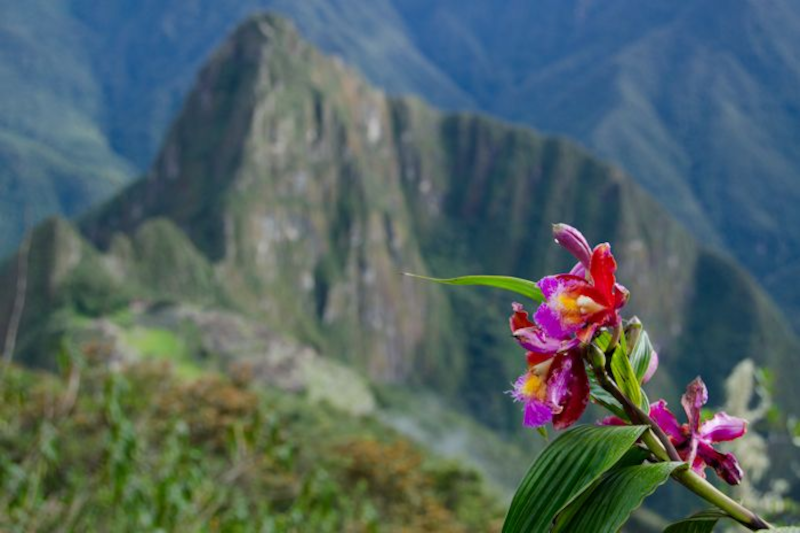
The flora of Machu Picchu is as diverse as its fauna, with over 300 species of orchids alone. These exotic flowers bloom throughout the year, adding vibrant hues to the sanctuary’s lush landscapes. The combination of native plant life and unique animal species creates a symphony of life that is both breathtaking and humbling. Orchids, with their intricate shapes and vivid colors, are a highlight for many visitors. Their delicate beauty and variety are a testament to the sanctuary’s rich biodiversity. Some species are endemic to the region, making Machu Picchu a must-visit destination for botany enthusiasts.
The Interconnected Web of Life
The plants in Machu Picchu play a crucial role in maintaining the ecological balance. They provide food and shelter for countless animals, supporting the intricate web of life that thrives in this sanctuary. Trees offer nesting sites for birds, while flowering plants attract pollinators like bees and hummingbirds. The interconnectedness of flora and fauna is evident throughout the sanctuary, where each species relies on others for survival.
Safeguarding the Future
Preserving the flora of Machu Picchu is a priority for conservationists. Efforts are underway to protect native plant species and restore areas affected by human activity. Challenges such as climate change and tourism pressure require careful management to ensure that the sanctuary’s natural beauty is preserved. By supporting sustainable practices and raising awareness about the importance of conservation, we can help safeguard Machu Picchu’s unique ecosystem for future generations.
Planning Your Wildlife Adventure
When planning your visit to Machu Picchu, timing and preparation are key. The best time to visit is during the dry season, from May to September, when the weather is most favorable for trekking and wildlife viewing. The Inca Trail is the most famous route to Machu Picchu, offering a blend of history and natural beauty. However, there are other options, such as the Salkantay and Lares treks, each offering unique perspectives of the Andean landscapes.
For those seeking a more leisurely journey, the short Inca Trail provides a glimpse into the region’s history without the demands of a longer trek. Regardless of your choice, each path offers its own wildlife encounters and cultural insights.
Essential Preparation and Responsible Travel

Preparation is essential for a successful trek to Machu Picchu. Acclimatization to the high altitude is crucial, especially for those tackling the more challenging routes. Drinking plenty of water, taking time to rest, and using coca leaves or coca tea, a traditional Andean remedy, can help ease altitude-related discomfort. Ensure you pack appropriately, with layers for varying weather conditions and essential hiking gear. Aguas Calientes, the gateway town to Machu Picchu, provides a convenient base for travelers to rest and acclimatize before beginning their journey, offering a range of accommodations and amenities to suit different preferences.
To make the most of your visit to Machu Picchu, consider hiring a local guide. Their knowledge and expertise can enhance your understanding of the site’s history and ecology. Be sure to respect the environment by following Leave No Trace principles, ensuring that the sanctuary remains pristine for future visitors. Finally, take the time to immerse yourself in the beauty of the surroundings, savoring the unique blend of history and nature that defines Machu Picchu.
A Living Sanctuary
Machu Picchu is more than just an archaeological site; it is a living sanctuary that celebrates the harmony between history and nature. As you explore its trails and take in its vistas, you’ll gain a deeper appreciation for the intricate relationships that have sustained life here for centuries. The sanctuary offers a window into the past, revealing the ingenuity of the Inca Empire and the resilience of the natural world.
Whether you’re a seasoned trekker or a cultural tour enthusiast, Machu Picchu offers an unparalleled opportunity to connect with the natural world and the legacy of the Inca civilization. By preserving and respecting this sacred space, we ensure that future generations can also experience its wonders. Embark on this journey, and discover the wildlife of Machu Picchu—a testament to the enduring spirit of the Andes. The stories of the past and the life of the present come together in this extraordinary place, inviting all who visit to become part of its ongoing narrative.