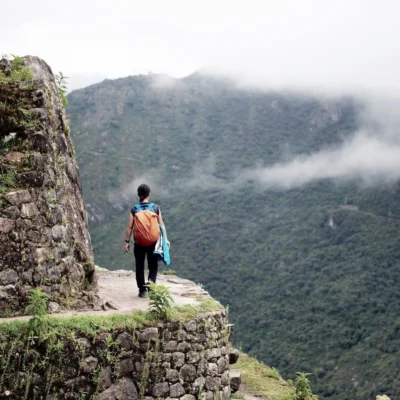
Tripadvisor


Access to Choquequirao is not for the faint-hearted. Unlike the trail to Machu Picchu, which is accessible by train and bus, reaching Choquequirao requires a trek that tests both physical endurance and mental fortitude. The trek typically begins in the village of Cachora, a starting point that is about a four-hour drive from Cusco. From Cachora, the journey to the archaeological site spans approximately 31 kilometers of steep and challenging terrain.
The trek to Choquequirao can take two to four days, depending on one’s pace and itinerary. It’s important to note that the trail is not as well-trodden as the Inca Trail to Machu Picchu, providing a more rugged and secluded adventure. Trekkers should be prepared for significant altitude changes, with the site itself sitting at around 3,050 meters above sea level.
Starting the Journey
Embarking on the trek to Choquequirao begins with a drive to Cachora. This small, picturesque village serves as the gateway to the adventure. Trekkers usually spend a night here to rest and prepare, soaking in the quaint atmosphere and enjoying local hospitality. The drive from Cusco offers breathtaking views of the Andean landscape, setting the tone for the days ahead.
Once in Cachora, the trek begins with an initial descent into the Apurímac Canyon. This first stage is a test of both stamina and spirit, with the path winding through lush greenery and offering glimpses of distant snow-capped peaks. The journey is as much about the landscapes as it is about reaching the destination.

The Trekking Experience
The trek to Choquequirao is a blend of natural beauty and physical challenge. Each day brings a new set of terrains, from dense forests to open plateaus, with the path often lined with colorful wildflowers. The trail is a living corridor of history, with stories embedded in its stones and vistas that inspire awe.
Trekkers must be prepared for long hours on foot, often covering 10 to 15 kilometers a day. The ascents and descents are rigorous, with some sections requiring careful navigation. The sense of isolation, however, enhances the experience, allowing trekkers to connect deeply with nature and the ancient paths once tread by the Incas.
Reaching Choquequirao
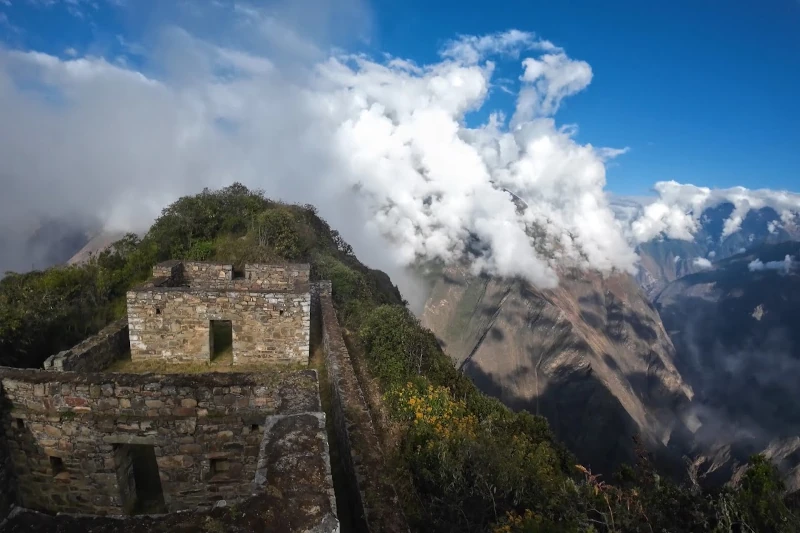
Arriving at Choquequirao is a moment of triumph. The site emerges from the lush surroundings like a hidden city, its terraces and ruins a testament to the Inca’s architectural prowess. The sense of solitude and grandeur is palpable, with the sweeping vistas of the surrounding valleys and mountains adding to the mystical atmosphere.
Visitors can spend hours exploring the ruins, which are spread over a vast area. Each structure tells a story, from the ceremonial platforms to the intricate water channels. The absence of crowds means you can linger, reflect, and truly absorb the spirit of this ancient place.
Altitude Considerations
Altitude is a critical factor to consider when planning your trek to Choquequirao. Acclimatization is essential to prevent altitude sickness, which can include symptoms such as headaches, nausea, and dizziness. Spending a few days in Cusco, which sits at 3,400 meters, can help your body adjust. Additionally, the traditional use of coca leaves, either chewed or brewed in tea, can aid in alleviating symptoms of altitude sickness, a practice rooted in Andean culture.
Understanding Altitude Sickness
Altitude sickness is a common concern for those trekking to Choquequirao. It occurs when you ascend to high elevations too quickly, and your body struggles to adapt to the reduced oxygen levels. Symptoms can range from mild discomfort to severe, impacting your ability to continue the trek. It is crucial to recognize these symptoms early to manage them effectively.
Trekkers should be aware of how their bodies react to altitude and take necessary precautions. Rest, hydration, and a gradual ascent are key to minimizing the risk. Listening to your body and knowing when to pause or descend is vital in ensuring a safe and enjoyable journey.
Acclimatization Strategies
Proper acclimatization is crucial for a successful trek to Choquequirao. Spending time in Cusco or other high-altitude locations before the trek allows your body to adjust gradually. This preparatory period is not just about physical adaptation but also a chance to immerse yourself in the rich culture and history of the region.
During acclimatization, staying hydrated and eating light, high-carbohydrate meals can help your body adjust more efficiently. Engaging in light activities like walking or exploring nearby sites keeps you active without overexertion, preparing you physically and mentally for the trek ahead.
The Role of Traditional Remedies
The use of coca leaves is a time-honored tradition in the Andes, known for its benefits in combating altitude sickness. Whether chewed directly or consumed as a tea, coca leaves can provide relief and are often part of the cultural experience of trekking in Peru.
Local guides and communities often offer insights into the traditional uses of coca leaves, sharing knowledge passed down through generations. Embracing these practices not only aids in your trek but also enriches your understanding of Andean culture and its deep connection with the land.
Cultural Significance of Choquequirao

Choquequirao, meaning “Cradle of Gold” in Quechua, is a testament to the architectural and cultural prowess of the Inca civilization. The site is believed to have been constructed in the late 15th century under the reign of the Inca emperor Pachacuti. Its strategic location suggests it served as an important administrative and ceremonial center, possibly linked to Machu Picchu.
The site features a complex of terraces, plazas, and stone structures that echo the grandeur of Incan architectural ingenuity. The sweeping vistas and the site’s relative isolation provide a sense of stepping back in time, allowing visitors to imagine the life and rituals that once animated these ancient stones.
Historical Context
Choquequirao’s history is deeply entwined with the legacy of the Inca Empire. Built during a period of expansion and consolidation under Pachacuti, it reflects the empire’s architectural and strategic brilliance. The site’s layout and construction are indicative of its importance, serving as a center for administration, agriculture, and ceremony.
The site’s remote location was likely chosen for its strategic advantages, offering protection and control over the surrounding regions. It also suggests a connection with Machu Picchu, possibly serving as a sister site or a complementary administrative hub. Understanding Choquequirao’s historical context enriches the experience, offering insights into the Inca’s sophisticated societal structures.
Architectural Marvels
Choquequirao is an architectural marvel, showcasing the Inca’s mastery of stonework and urban planning. The site’s terraces are a testament to their agricultural ingenuity, designed to maximize arable land in the steep Andean terrain. These terraces, along with the ceremonial platforms and plazas, highlight the Inca’s ability to harmonize construction with natural landscapes.
The stone structures, built without mortar, exemplify precision and durability. The buildings are aligned with astronomical events, reflecting the Inca’s deep understanding of celestial movements. Exploring these architectural features offers a glimpse into the Inca’s advanced knowledge and their integration of nature, spirituality, and functionality.
Cultural Heritage
Choquequirao is not just a site of ruins; it is a living testament to the Inca’s cultural legacy. The site’s isolation has preserved its authenticity, offering a rare opportunity to experience a relatively untouched example of Inca civilization. It provides a window into the spiritual and daily life of the Inca, with remnants of altars, ceremonial baths, and agricultural systems.
Visitors can sense the spiritual significance of the site, with its alignment to sacred valley mountains and celestial events. This connection to nature and the cosmos was integral to the Inca worldview, influencing their rituals, agriculture, and governance. Choquequirao invites travelers to reflect on this cultural heritage, fostering a deeper appreciation for the Inca’s enduring influence.
The Choquequirao Trek Experience
Why Choquequirao is a Machu Picchu Alternative
For those seeking an alternative to the bustling tourist paths of Machu Picchu, Choquequirao trek offers a tranquil and equally enriching experience. The lack of crowds allows for a more intimate exploration of the ruins, fostering a deeper appreciation for their historical and cultural context. The trek itself is a journey through diverse ecosystems, from lush cloud forests to arid highland plateaus, each offering unique flora and fauna.
Tranquility and Solitude
One of the most compelling reasons to choose Choquequirao over Machu Picchu is the tranquility it offers. The site remains relatively undiscovered, allowing visitors to explore without the presence of large crowds. This solitude enhances the experience, providing a peaceful environment to connect with history and nature.
The absence of commercialization also contributes to the site’s authenticity. Visitors can wander through the ruins at their own pace, free to reflect and imagine the lives of those who once inhabited this majestic place. This sense of discovery and connection is a rare treasure in today’s world of mass tourism.
Rich Biodiversity
The trek to Choquequirao is not only a journey through history but also a passage through diverse ecosystems. Trekkers will encounter a rich array of flora and fauna, from vibrant orchids and bromeliads to the elusive spectacled bear. The changing landscapes, from cloud forests to high-altitude plateaus, offer a dynamic backdrop to the adventure.
The biodiversity of the region is a testament to the ecological richness of the Andes. Each ecosystem presents its own challenges and wonders, making the trek a continuous discovery of nature’s resilience and beauty. This interaction with diverse life forms enriches the journey, adding layers of wonder and appreciation for the natural world.
A Journey of Personal Growth
Trekking to Choquequirao is as much about personal growth as it is about exploration. The physical challenge, coupled with the historical and cultural immersion, provides a transformative experience. Trekkers often find themselves reflecting on their own journey, drawing parallels between the perseverance required for the trek and life’s broader challenges.
The trek encourages self-discovery, resilience, and a sense of achievement. The isolation and immersion in nature allow for introspection, offering opportunities for personal growth and a deeper understanding of one’s capabilities and aspirations. Choquequirao is not just a destination; it is a journey of the mind and spirit.
Peru Adventure Tours
Several tour operators offer guided treks to Choquequirao, providing logistical support and cultural insights that can enrich the experience. While the trek can be undertaken independently, guided tours offer the advantage of knowledgeable guides who can illuminate the historical and cultural significance of the site and its surroundings.
Benefits of Guided Tours
Opting for a guided tour to Choquequirao has several advantages, especially for those unfamiliar with the terrain and culture. Experienced guides bring a wealth of knowledge, sharing stories and insights that enhance the trekking experience. Their expertise in navigating the trail ensures safety and efficiency, allowing trekkers to focus on the experience rather than logistics.
Guides often have a deep connection to the region, offering personal anecdotes and cultural perspectives that enrich the journey. They can introduce trekkers to local customs, flora, and fauna, turning the trek into an educational and immersive adventure. This cultural exchange adds depth and context, transforming the trek into a holistic exploration.
Tailored Experiences
Many tour operators offer tailored experiences to suit different preferences and fitness levels. Whether you’re seeking a leisurely pace with ample time for photography and exploration, or a more challenging itinerary that pushes your physical limits, there’s a tour to match your desires. These customized options ensure that each trekker can enjoy the journey in a way that aligns with their personal goals.
Tailored tours can include cultural activities, such as visiting local communities or participating in traditional ceremonies. These experiences provide a deeper understanding of Andean culture and allow for meaningful interactions with local people. Such inclusions enrich the trek, offering a well-rounded and memorable adventure.
Supporting Local Economies
Choosing a guided tour often means contributing to the local economy. Many tour operators employ local guides, porters, and cooks, providing employment and supporting the surrounding communities. This economic support is vital for sustainable tourism, ensuring that the benefits of tourism reach those who live in the region.
By choosing locally-run tours, trekkers can ensure that their journey has a positive impact on the community. This conscious choice enhances the travel experience, aligning it with ethical tourism practices that respect and uplift the people and places visited. Supporting local economies through tourism is a meaningful way to give back and foster global community connections.
Practical Tips for the Trek

Preparation and Gear
Being well-prepared is key to a successful trek to Choquequirao. Here are some essential tips:
- Physical Fitness: Ensure you are in good physical condition. The trek involves long, steep ascents and descents.
- Proper Gear: Invest in quality trekking boots, a waterproof jacket, and a good backpack. Walking poles can aid in navigating the uneven terrain.
- Water and Food: Carry sufficient water and high-energy snacks. While there are a few spots to refill water, it’s essential to stay hydrated.
- Permits and Fees: Currently, the entrance fee to Choquequirao 4 days is relatively low, and no special permits are required. However, this may change as the site gains popularity.
Essential Gear Checklist
Preparing for the trek involves assembling the right gear to ensure comfort and safety. Quality trekking boots are a must, providing support and grip on uneven terrain. A waterproof jacket is essential for protection against sudden weather changes, while a sturdy backpack allows you to carry essentials without strain.
Walking poles are highly recommended, aiding in balance and reducing impact on the knees during steep ascents and descents. Lightweight, moisture-wicking clothing helps regulate body temperature, and a wide-brimmed hat provides sun protection during exposed sections of the trail. Packing a reliable headlamp ensures visibility for early morning starts or late arrivals at camp.
Nutrition and Hydration
Maintaining energy and hydration is crucial for the demanding trek to Choquequirao. High-energy snacks such as nuts, dried fruits, and energy bars provide quick and sustained fuel. It’s important to carry enough water, using refill points along the trail to stay hydrated throughout the journey.
Electrolyte supplements can be beneficial, helping to replenish salts lost through sweat and preventing dehydration. Planning meals to include a balance of carbohydrates, proteins, and fats ensures sustained energy levels. Engaging with local cuisine along the way can also provide cultural insights and an enjoyable culinary experience.
Navigating Permits and Fees
Currently, access to Choquequirao is relatively straightforward, with no special permits required. The entrance fee is modest, making it an accessible adventure for many. However, as the site gains popularity, regulations may change, so it’s wise to stay informed about any updates regarding permits and fees.
Consulting with tour operators or local authorities can provide the latest information and ensure compliance with entry requirements. Being prepared with the necessary documentation and fees helps avoid any complications, allowing you to focus on the trek and the experiences it offers.
Environmental Considerations
Preservation of Choquequirao’s pristine environment is crucial. Trekkers are encouraged to adhere to the principles of “Leave No Trace,” ensuring that waste is minimized and the natural beauty of the area is preserved for future generations.
Leave No Trace Principles
Embracing the “Leave No Trace” principles is fundamental to preserving Choquequirao’s natural beauty. This involves minimizing waste by packing out all trash, avoiding damage to vegetation, and respecting wildlife. Keeping to designated paths reduces erosion and protects the fragile ecosystem.
Practicing responsible camping by using established sites and minimizing campfire impacts is essential. Trekkers should also be mindful of noise levels, maintaining the tranquility of the environment for both wildlife and fellow adventurers. These practices ensure that the site remains unspoiled and accessible for future generations.
Supporting Conservation Efforts
Engaging with conservation efforts supports the long-term preservation of Choquequirao. Many local organizations and initiatives work to protect the site’s ecological and cultural heritage. Supporting these efforts through donations or volunteering contributes to maintaining the area’s integrity.
Tour operators often collaborate with conservation projects, offering opportunities for trekkers to learn about and participate in preservation activities. This involvement provides a deeper connection to the region and an understanding of the challenges and successes in conserving this unique landscape.
Educating Others
Raising awareness about the importance of environmental preservation is a powerful way to contribute to Choquequirao’s future. Sharing your experiences and insights with others encourages responsible tourism and highlights the significance of sustainable practices.
Whether through social media, travel blogs, or personal interactions, educating others about the beauty and fragility of Choquequirao fosters a global appreciation and commitment to its protection. By becoming ambassadors for the region, trekkers can inspire others to explore responsibly and support the preservation of this remarkable site.
Conclusion
Choquequirao is more than just a trek; it’s an immersive journey into the heart of Incan history and culture. Its remote location, coupled with its breathtaking landscapes and rich historical context, makes it a must-visit for those seeking an adventure off the beaten path. As a Machu Picchu alternative, Choquequirao stands as a testament to the enduring legacy of the Inca civilization, inviting travelers to explore, learn, and connect with a remarkable chapter of human history.
Whether you are a travel writer looking to capture the essence of Andean culture, or an adventurer yearning for a new challenge, Choquequirao promises an unforgettable experience that resonates with the soul.