Tripadvisor


The Historical Context of Machu Picchu
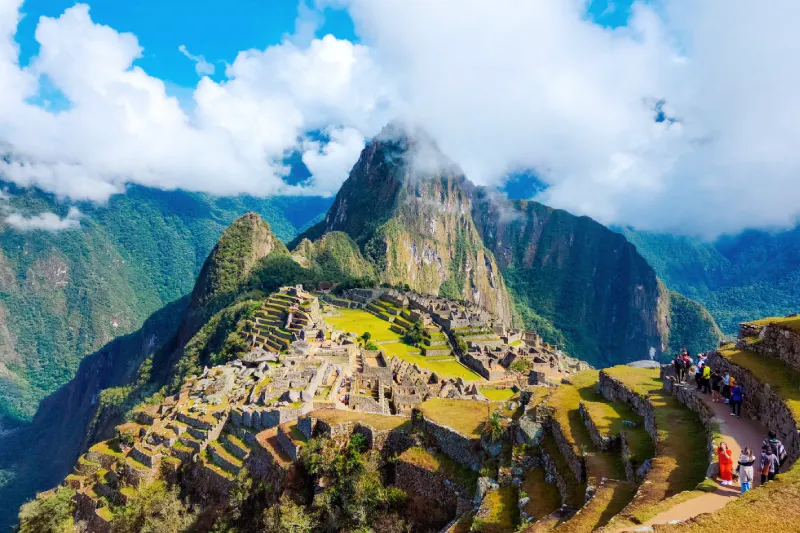
Machu Picchu, often called the “Lost City of the Incas,” is a 15th-century Inca citadel located about 80 kilometers northwest of Cusco. Built during the reign of Emperor Pachacuti, this UNESCO World Heritage site showcases remarkable engineering and architecture. Among its most iconic structures is the Temple of the Sun, a sacred building that highlights the Incas’ astronomical and ceremonial mastery. Visitors from around the world travel the Inca Trail to experience its beauty and history.
Origins and Discovery
Machu Picchu was constructed during a time of great expansion within the Inca Empire. It was rediscovered in 1911 by American historian Hiram Bingham, who was led to the site by local indigenous farmers. Since its rediscovery, Machu Picchu has been the subject of extensive archaeological research, leading to a greater understanding of Inca culture and society.
The Geographical Significance
Positioned between the Peruvian Andes and the Amazon Basin, Machu Picchu’s location is strategic. The site’s elevation provides natural defenses, while its proximity to diverse ecosystems supports a variety of agricultural practices. This strategic location was no accident, as it exemplified the Inca’s ability to harmonize architecture with nature.
Inca Engineering Techniques
The Inca were master engineers, utilizing advanced techniques that allowed them to construct enduring structures. One of their most notable methods was “ashlar” masonry, where stones are precisely cut to fit together without mortar. This technique was not only aesthetically pleasing but also provided flexibility during seismic activity, ensuring the structures’ longevity.
The Inca Empire and Its Architectural Achievements
The Inca Empire was the largest empire in pre-Columbian America. Known for its advanced agricultural techniques, road systems, and architectural mastery, the Incas left behind a legacy that continues to captivate historians and tourists alike. Among their remarkable achievements are sites like Maras, the famous salt mines, which showcase ingenious water management and terrace systems that have been used for centuries. The empire’s architects used locally-sourced stone and a method known as “ashlar” to create structures without mortar, allowing for precise stonework that could withstand the region’s seismic activity.
Advances in Urban Planning
Inca cities were meticulously planned, often featuring a central plaza surrounded by important buildings. The layout of cities like Cusco reflects a blend of functional and ceremonial purposes. These urban centers were designed to maximize efficiency, resource distribution, and social organization within the empire.
Today, travelers can explore these sites on cultural tours that showcase Inca history, architecture, and daily life, offering a deep insight into the traditions and heritage of the Andean people.
Agricultural Innovations
The Incas were not only architectural pioneers but also agricultural innovators. They developed terrace farming techniques that allowed cultivation on steep Andean slopes, significantly enhancing food production. These terraces also helped in soil conservation and water management, showcasing an integrated approach to agriculture and architecture.
The Inca Road Network
The vast Inca road system, known as the Qhapaq Ñan, was an essential component of the empire’s infrastructure. Spanning over 40,000 kilometers, this network connected distant regions and facilitated communication, trade, and military movement. The road system exemplified the Incas’ ability to integrate their architectural prowess into a cohesive empire-wide infrastructure.
The Inca Temple of the Sun: A Spiritual and Architectural Marvel
The Temple of the Sun, known as “Intihuatana,” is one of the most significant structures within Machu Picchu. Dedicated to the Inca sun god Inti, this temple served both spiritual and astronomical purposes.
Spiritual Purpose of the Temple of the Sun
The Incas were deeply spiritual people, and the sun held great significance in their cosmology. The Temple of the Sun was used for religious ceremonies and offerings to Inti, reflecting the Incas’ reverence for the sun as the source of life and energy. The temple’s design aligns with the sun’s movements, allowing sunlight to enter specific windows during solstices, an event likely used to mark important or agricultural dates.
Rituals and Ceremonies
The Temple of the Sun was a focal point for various rituals and ceremonies. High priests would perform elaborate rites to honor Inti, seeking blessings for abundant harvests and protection against natural calamities. These ceremonies were integral to maintaining the social and spiritual order within Inca society.
Symbolism in Design
Every element of the Temple of the Sun’s design was imbued with symbolic meaning. The alignment of windows, the curvature of walls, and even the temple’s orientation were carefully chosen to reflect cosmic events and the Inca’s spiritual beliefs. This symbolism reinforced the temple’s role as a bridge between the earthly and the divine.
Role in Inca Cosmology
Inca cosmology was a complex system that integrated nature, deities, and human existence. The Temple of the Sun epitomized this integration, acting as a physical representation of the Inca’s worldview. It served as a reminder of the interconnectedness between the cosmos, the earth, and the people who inhabited it.
Architectural Features of the Temple of the Sun
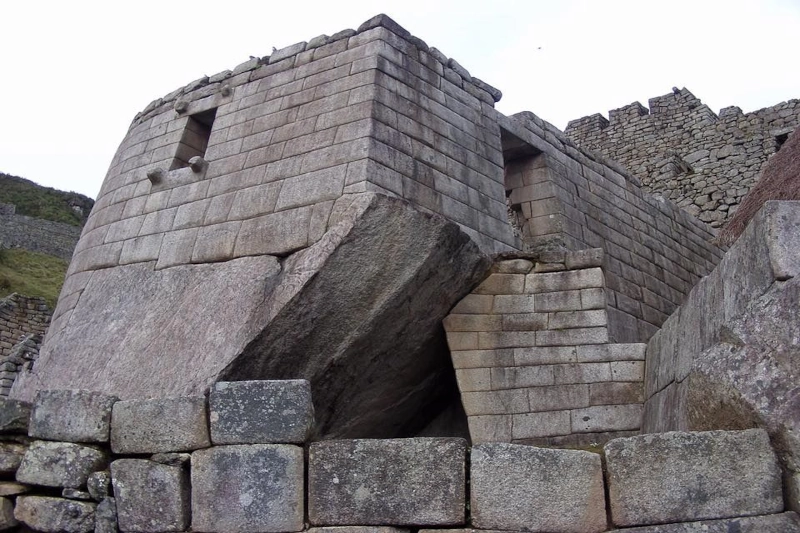
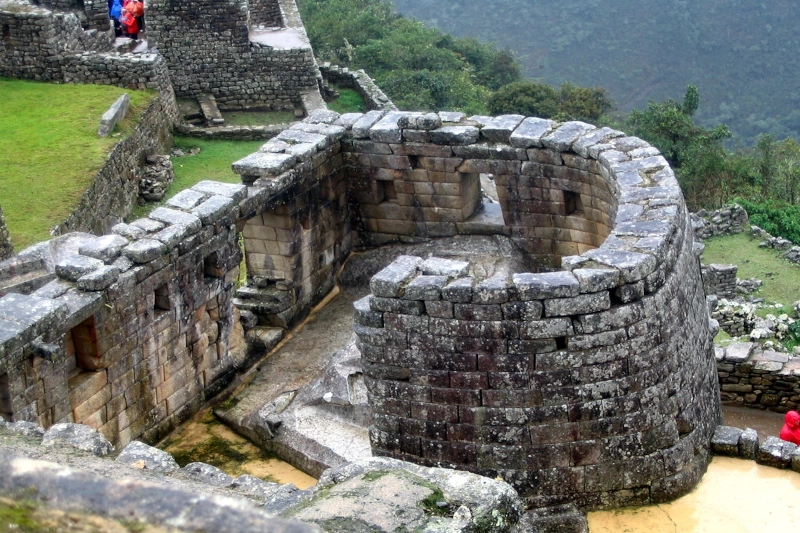
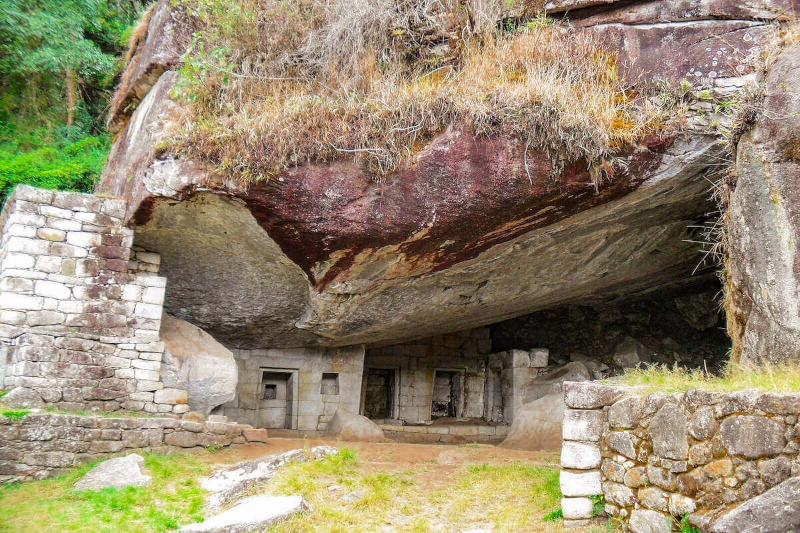
The Temple of the Sun is renowned for its semi-circular construction and precision stonework. Built atop a massive granite outcrop, it features a curved wall with windows that align with the sunrise during the summer solstice. Beneath the temple lies a natural cave, thought to be a tomb or a ceremonial chamber, known as the “Royal Tomb.”
Precision Stonework
The stonework of the Temple of the Sun is a testament to Inca craftsmanship. Each stone was meticulously cut and placed to ensure stability and aesthetic harmony. This precision not only served practical purposes but also demonstrated the Incas’ deep respect for the materials and their environment.
The Semi-Circular Design
The temple’s semi-circular design is unique and serves specific functions. The curvature allows for optimal light capture during solstices, a crucial aspect for the temple’s astronomical functions. This design choice highlights the Inca’s sophisticated understanding of geometry and its application in sacred architecture.
The Royal Tomb
The cave beneath the temple, known as the “Royal Tomb,” adds another layer of mystery and significance. It is believed to have been used for burials or as a ceremonial space. The presence of this chamber indicates the temple’s dual role as a site of both celestial observation and ancestral reverence.
The Role of the Temple of the Sun in Inca Society
Astronomical Significance
The Incas were skilled astronomers, and their architecture often reflected their knowledge of celestial events. The Temple of the Sun was a key observatory, enabling priests to track the sun’s path across the sky. This was crucial for determining agricultural cycles and planning religious festivals.
Observational Techniques
Inca priests employed sophisticated observational techniques to track celestial bodies. By using the temple’s windows and other architectural features, they could measure solar movements with remarkable accuracy. These observations were vital for predicting seasonal changes and scheduling agricultural and religious activities.
Impact on Agricultural Practices
The astronomical insights gained from the Temple of the Sun directly influenced Inca agriculture. By understanding solar cycles, the Incas could optimize planting and harvesting times, ensuring food security. This integration of astronomy and agriculture was a cornerstone of Inca sustainability and prosperity.
Influence on Religious Calendars
The Temple of the Sun played a central role in shaping the Inca religious calendar. Important festivals and ceremonies were aligned with celestial events observed from the temple. This alignment reinforced the spiritual significance of the temple and its role as a center of religious life.
Connection to Other Sacred Sites
Machu Picchu is not an isolated site but part of a network of sacred locations. The Temple of the Moon, located on the nearby peak of Huayna Picchu, shares spiritual ties with the Temple of the Sun. Together, these sites formed a spiritual landscape that reinforced the Inca’s connection to their deities and the natural world.
The Sacred Geography
The Inca’s sacred sites were strategically placed within the landscape, creating a network of spiritual significance. This sacred geography extended beyond Machu Picchu, encompassing important sites throughout the empire, including the Sacred Valley. Each location was connected through a shared cosmological and spiritual framework, reflecting the Incas’ deep reverence for nature and their sophisticated understanding of the land.
The Temple of the Moon
The Temple of the Moon, situated on Huayna Picchu, complements the Temple of the Sun. It served different yet interconnected spiritual functions, reinforcing the Inca’s dualistic view of the cosmos. Together, these temples represented the balance between celestial and earthly forces.
Integration with Nature
Inca architecture was not only about constructing buildings but also about integrating them with the natural environment. The placement of sacred sites considered natural features such as mountains, rivers, and celestial alignments. This integration highlighted the Inca’s reverence for nature and their understanding of its role in spiritual life.
Visiting the Inca Temple of the Sun
For modern visitors, exploring the Temple of the Sun offers a glimpse into the sophisticated world of the Incas. Most travelers begin their journey in Aguas Calientes, the gateway to Machu Picchu. From there, a short bus ride or a challenging hike on the Inca Trail leads to the ancient citadel. Tour packages often combine this experience with guided cultural tours, Salkantay treks, Rainbow Mountain day trips, or visits to nearby sacred sites, giving visitors a complete Andean adventure.
Practical Tips for Tourists
- Timing Your Visit: To fully appreciate the temple’s astronomical features, plan your visit around the solstices when the sun aligns with the temple’s windows. Witnessing this alignment offers a unique perspective on the temple’s design and purpose.
- Guided Tours: Consider hiring a guide to enrich your understanding of the site’s historical and spiritual significance. Knowledgeable guides can provide insights into the Inca’s architectural and cultural achievements, enhancing your overall experience.
- Respect the Site: As a sacred site, it’s important to respect the environment and adhere to guidelines set by local authorities. Visitors should avoid touching the stonework and remain on designated paths to preserve the site’s integrity for future generations.
Beyond the Temple of the Sun
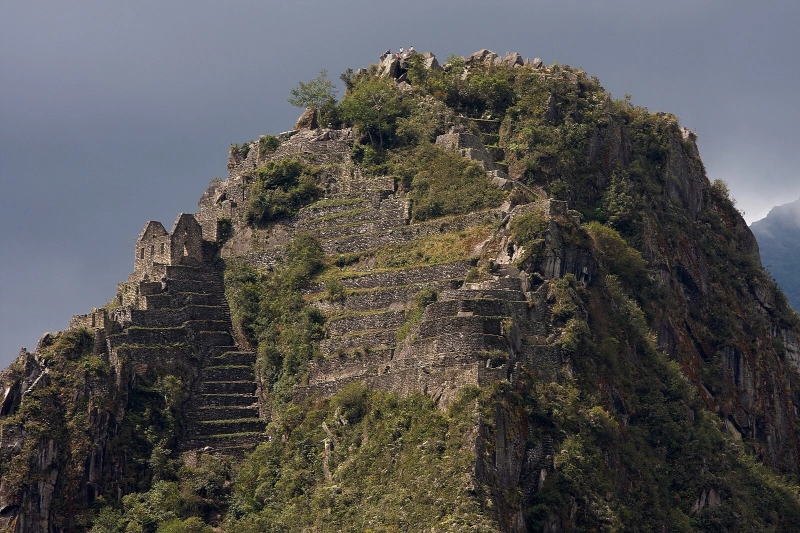
While the Temple of the Sun is a highlight, Machu Picchu offers many other attractions. The Temple of the Three Windows and the Intihuatana Stone are must-see features. For those seeking adventure, a hike up Huayna Picchu provides breathtaking views of the entire complex.
The Temple of the Three Windows
The Temple of the Three Windows is another architectural marvel within Machu Picchu. Its design and construction reflect the Incas’ ability to create harmony between form and function. The windows offer stunning views of the surrounding landscape, emphasizing the Incas’ appreciation for their natural surroundings.
The Intihuatana Stone
The Intihuatana Stone is a significant ritual stone associated with astronomy and spirituality. It was used as an astronomic clock or calendar by the Inca priests. This stone is a testament to the Incas’ sophisticated understanding of the cosmos and their ability to incorporate this knowledge into their spiritual practices.
Hiking Huayna Picchu
For the adventurous, a hike up Huayna Picchu provides an unparalleled perspective of Machu Picchu. The trail is challenging, but the views from the top are rewarding. This hike offers a deeper connection to the site, allowing visitors to experience its grandeur and the surrounding natural beauty.
Conclusion
The Inca Temple of the Sun at Machu Picchu is more than just an architectural marvel; it is a window into the spiritual heart of the Inca Empire. Its design reflects a deep understanding of the natural world and a profound reverence for the sun. As you walk through this ancient site, you are not just observing stones and structures; you are stepping into a world where architecture and spirituality are seamlessly intertwined.
In summary, the Temple of the Sun exemplifies the Inca’s architectural genius and spiritual depth, making it a must-visit for anyone interested in history, culture, and the mysteries of the ancient world. Whether you’re drawn by the allure of the Inca Trail or the intrigue of Aguas Calientes, the journey to this sacred site promises to be a transformative experience. Its enduring legacy continues to inspire awe and wonder, reminding us of the incredible achievements of the Inca civilization.