Tripadvisor


The thought of rising in the morning, getting out of the tent, in front of your eyes there is a snow-capped mountain, 20,000 feet high and gleaming in the morning sun. This isn’t a dream–it’s a typical morning on the Salkantay trek camping experience in Peru. For many travelers seeking an unforgettable adventure on the road to Machu Picchu, the Salkantay route is celebrated as a stunning–and often more accessible–alternative to the classic Inca Trail.
However, the idea of camping for five days may be terrifying. If the thought of Salkantay trek camping brings up images of being cold, uncomfortable, and hungry, you can relax. It is a surprisingly comfortable experience since it is not the do-it-yourself camping that one may be used to. A special crew takes care of the strenuous work, including setting up your tent, cooking hot meals, among others, on a supported trek.
This is the most important distinction to understand in order to be comfortable with the way forward. It is good to know how you will keep warm, the campsites and the food become enjoyable and even how to prepare to the high altitude, that would give you an option to concentrate on the unbelievable scenery. Not knowing what to expect is the biggest hurdle that most people have, and with this guide, the practical information is what you will need to determine whether such an adventure is an important thing or not.
What “Salkantay Camping” Actually Means: The Comfort of a Supported Trek
In case the thought of camping reminds you about fighting with tent poles in the dark and eating protein bars, you can relax. Camping on the Salkantay Trek is a completely different world. Instead of having to carry everything yourself, you’ll have an assisted hike with a group that will take care of the camp logistics.
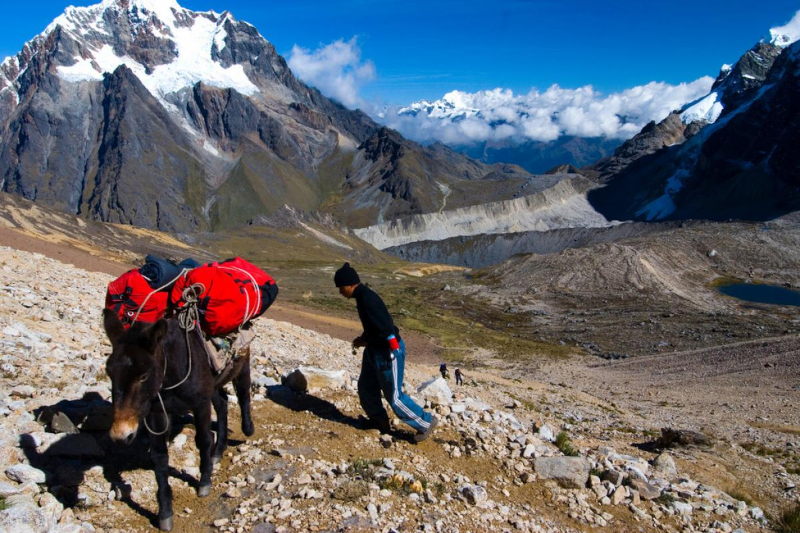
Your customer retention department is your silent saviour. It consists of porters, commonly referred to as arrieros, who bring up front to the mules the stuff that makes the main outfit, and a gifted camp cook. As you hike and enjoy the view, the crew that comes forward in your place sets up your next camp site with a tent prepared and dinner going.
After everything else involved in logistics is taken care of, it is just a matter of walking around and having fun. All you need is a little daypack with water, snacks and an extra layer. Then, when you have a full day on the trail, you come to a ready-made camp, and are often offered a hot cup of tea.
A Typical Day on the Trail: From Coca Tea Wake-Up to Andean Stargazing
The landscape is quite different, but the routine of the Salkantay trek, which lasts 5 days, is not quite unexpected or shocking, but gives comfort. It’s about 5.30 AM in the morning, and one of your crew brings you a cup of hot coca tea. This is an Andean tea that is said to be effective in altitude and a relaxing early morning beverage.
You will take your tea and pack your day pack at the dining tent then have breakfast there. The day-to-day routine is usually in the following pattern:
- 5:30 AM: Wake-up call with tea
- 6:30 AM: Breakfast
- 7:30 AM: Start hiking
- 1:00 PM: Lunch on the trail
- 5:00 PM: Arrive at the next camp
- 6:00 PM: Happy Hour
- 7:00 PM: Dinner
After getting to the trail, you will walk at a slow pace guided by your guide. It is out of a dining tent and a complete, hot lunch prepared by the cooks by noon. Anticipate soothing soups, pasta, chicken and rice meals which replenish your energy body during the afternoon.
I guess the greatest thing about the routine is to get to camp in the late afternoon. Your tent will be up and your duffel bag awaiting you, and as soon as you can relax you can have your happy hour. It is the right time to relax, exchange stories and see the sun setting with the Andes in the background followed by a multi-course dinner.
Campsite Deep Dive: What to Expect from Tents, Toilets, and Sky Domes
Imagining your camping place in the Andes, you may think of a plain tent in the piece of grass. Although it is partially so, the truth of Salkantay trail campsites is even more often than pleasing. You will spend most nights sleeping in a four-season mountain tent that is meant to ensure that you are dry and warm. Even during part of the routes–particularly on the first night–you can even stay in glass tiled sky domes or mountain lodges where you can go to sleep under the stars of the Andes through the comfort that your bed will provide you.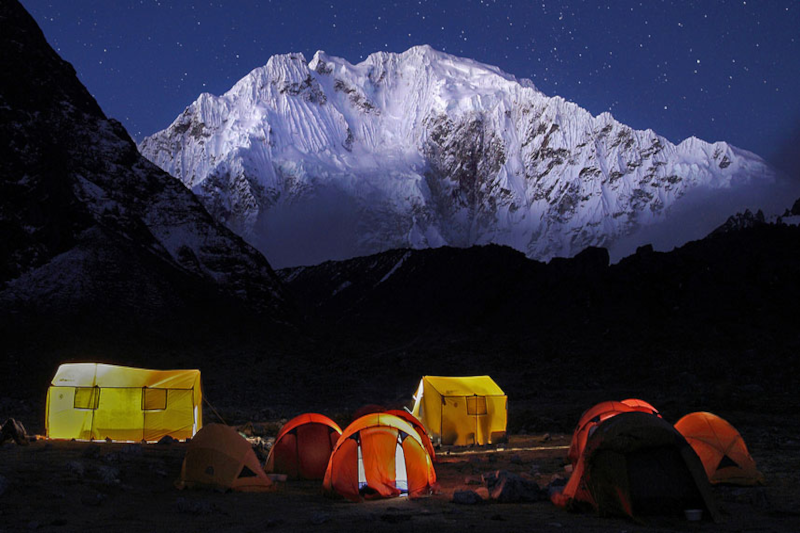
A question that every trekker would ask himself is the situation in the bathroom. Any facilities available on the trail are rudimentary though they have been better over the years. Bathroom blocks at most of the approved campsites have basic flush and sinks but you must be ready to find the squat toilet here and there. They might appear as something new but they are widespread and totally functional.
In addition to the essentials, an additional charge is usually taken by way of some minor luxuries. You may find any indications of the hot showers, Wi-Fi or even cold beer. A brief hot shower would have approximately 10-20 Peruvian Soles and be well worth the coins following a hike. So, all you have to keep in mind is to carry local currency in your pockets in case you intend to have such luxuries.
How to Beat Altitude Sickness: Your Simple 3-Step Prevention Plan
One thing which is the most difficult in hiking in Peru is not distance but the altitude. In mountains, there is less oxygen in the air, and this may produce minor side effects such as headache or exhaustion. It may sound rather fearsome but the problem of Salkantay trek altitude sickness can be avoided in a great majority due to appropriate preparation.
It is all about acclimatization, allowing your body to acclimatize to thin air. The most unfortunate mistake made by the travelers is rushing. To ensure that you feel great on the trail, this simple plan should work:
- Pre-Arrive Early: You should have at least two or more days, and ideally three, days in one of the high altitude cities such as Cusco before you can endure your trek.
- Hydrate Well: You must drink 3-4 liters of water a day so that your body will be adapted to it.
- Go Slow: Climb slowly but steadily– not fast but steady.
Anthrax, you shall also be initiated to coca tea after you get into Cusco. Mate de coca is a traditional Andean coca leaf drink, which is legal, mild, and similar to coffee. It has been in use for hundreds of years by locals to assist with the altitude and it is not a magic pill, but in the experience of the culture, your guides will have suggested it.
Altitude sickness prevention is reduced to patience and following your guide. By following the below steps, you can enjoy the beautiful sceneries, rather than being bothered. It is a good preparation that is required in high altitude trek in the Andes.
Salkantay vs. Inca Trail: Which Camping Experience is Right for You?
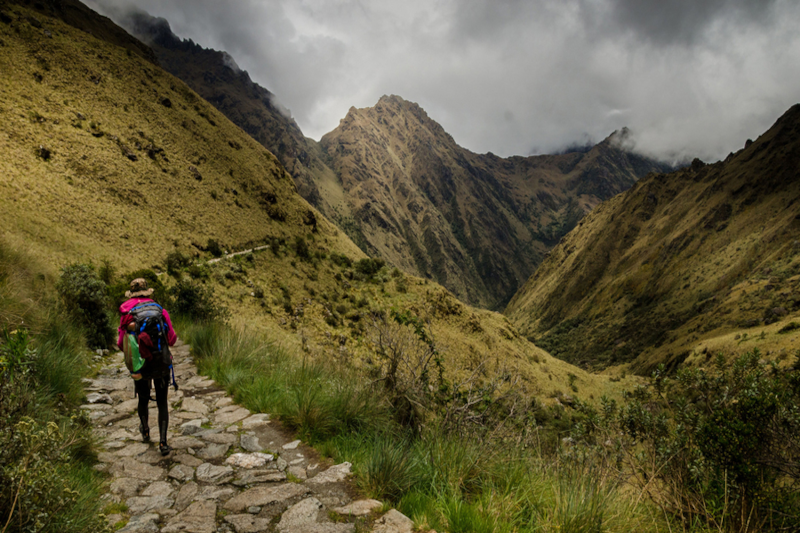
When planning a trek to Machu Picchu, the first decision is often between the Inca Trail and the Salkantay Trek. One key difference is permits: the Inca Trail requires a government-issued permit that often sells out 6-12 months in advance. Salkantay trail also does not need any permit, thus more flexible to those who may decide on a whim.
Other than the logistics, the camping styles are also very different. The Inca Trail uses government-run campsites with shared facilities. Contrary to that, several Salkantay agencies employ campgrounds, which have certainly improved, such as glass domes or even cozy mountain lodges. These special arrangements would render camping a beautiful experience on the trip.
Last but not the least, is the difficulty. The two paths will be hard in themselves, yet Salkantay has a higher mountain pass, which makes it relatively more physically difficult. The Inca Trail, while lower in altitude, is famous for its long stretches of stone steps that test your knees. Salkantay is a great option in case you want a more challenging mountain to climb and an impressive alpine view.
The Ultimate Salkantay Packing List: What You Actually Need
Preparing a multi-day trek including unexpectedly changing the weather of hot sunny days to almost freezing nights can be daunting. It is important to pack smart, but not heavy. A supported Salkantay trek will mean a two-bag system of taking only essential items such as water and a rain jacket in a small daypack and the furniture of the enlarged duffel will be carried to the next camp by the porters or the mules.
Layering is the most significant of all Salkantay trek tips. The weather in the mountains varies rapidly and you will need the base layer that will help to bring the sweat out, the warm medium such as fleece or the puffy jacket and the outer layer that has to be waterproof to withhold the wind and the rains. The change in temperatures in your body is easily compensated with the addition or subtraction of layers as you climb the mountain.
As every additional pound will be heavier in altitude, concentrate on what should be done instead of the amount of weight, as less is less. The following is a list of high-altitude trekking about packing including a simplified version:
- Base Layer clothes: Two or three levels of moisture-wicking base, one or two bulky middle-layers, one waterproof shell, hiking pants, and warm socks.
- Waterproof Footwear, well-broken hiking shoes, as well as comfortable camp shoes or sandals.
- Camp Comforts: Headlamp, warm sleeping bag to be used even in freezing temperatures and a small pillow with extra cost.
- Health & Safety: Somali first-aid kit with blisters care and medications, sunscreen, hat, and sunglasses.
How to Book Your Salkantay Trek and the Best Time of Year to Go
The next big thing will be to book your trek. It is normal to do the Salkantay with a registered tour operator, so you will have a guide and other support staff all the way. Researching the process of booking a Salkantay trek tour, consider more than the price and read more recent reviews to establish the quality of the guide, service safety, and ethical treatment of both employees and animals.
Most escorted Salkantay tours offer you your professional guide, mountain food, and camping gear, transportation back and forth to Cusco and your ticket to Machu Picchu. Sleeping bag rentals, trekking poles, and tips are usually extras, and it is prudent to include that on your budget.
It is as essential as picking the correct company to choose the season. The dry season is the period between April and October and regarded as the most optimum time to hike, which provides clear images of the mountains and relatively stable weather. Night may get cold, yet good clothing will enable one to cope.
The season between June and August is the most favorable and closest to the highest number of crowds. The autumn months with less favorable weather conditions, such as April, May, September, or October, will be less conducive to hikers.
After the Trail: What to Expect in Aguas Calientes and at Machu Picchu
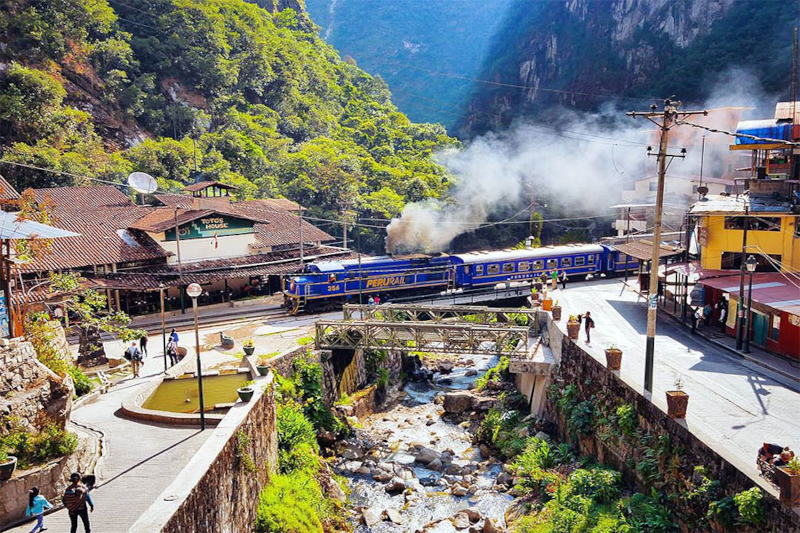
The last walk that you have after leaving the Salkantay trail is to Aguas Calientes, the vibrant town at the Machu Picchu feet. Its restaurants, markets, and train station after days in the wilderness like a civilized place. Coming here is the culmination of your journey and the first step of your reward.
Checking in your hotel is one of the most ideal things to do after the Salkantay trek. A hot shower and actual bed become the luxuries of the highest order after time on the trail. The night stay at a nice hotel is part of most of the tour packages and you get time to partying and sleeping before going to Machu Picchu.
You will have one more morning to live in another world, you will be riding a bus a bit up to the entrance of the Machu Picchu. The view of the citadel is an impressive first sight. Wait and think before you take the pictures, you are not just here; you worked hard to get this perspective.
You’re Ready for the Salkantay: From Curious Hiker to Confident Trekker
Being in bed in high Andes is not that difficult but a well-documented adventure. The trek seems a lot less daunting once you are aware of the campsites, the use of altitude preparation and supported trekking.
The most effective training is done through small training sessions that are brief and frequent to last long and gain momentum. The initial thing you should do, before you book a flight, is to go for a long walk with such an idea in mind. The stronger your body is, the stronger will be your faith in yourself.
The mountainous and jungled trails of the Salkantay are not easy yet attainable. Memories of sunrise beyond a blazing peak and your first view of Machu Picchu is not a privilege of high-performance athletes, but it will be there when you get there.